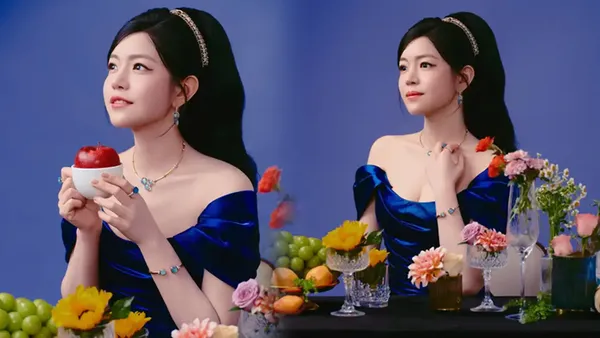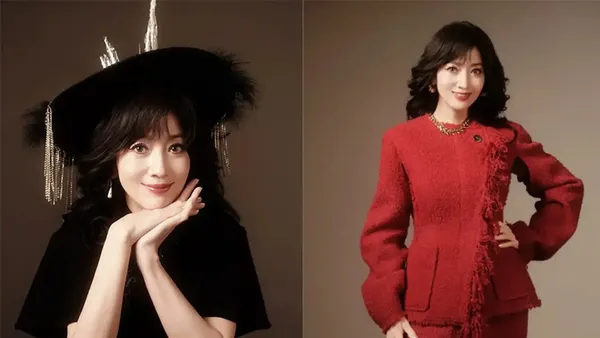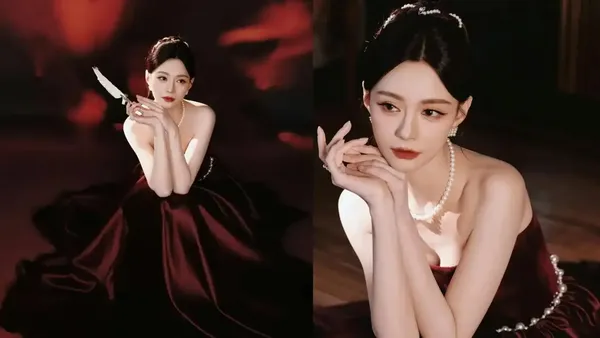
High pay for variety shows is a good thing that "star dependence" may be improved
A producer's statement is quite representative: "The participants in most foreign reality shows are ordinary people, and the program effects and ratings are also very good. However, China TV programs that rely on advertising to make money are only willing to sponsor if they have stars joining them. Previously, the State Administration of Radio, Film and Television issued a "reality restriction order", requiring reality TV programs to pay attention to ordinary people, avoid excessive stardom,"abandon the erroneous understanding of 'relying on stars to gain viewing', and not encourage the unhealthy atmosphere of high pay and high cost."
In the past two years, the number of small-screen variety shows has exploded, jumping from 215 to more than 600. The types are more complex and dazzling. At the same time, what cannot be ignored is the increasing homogenization of programs and the unprecedented ratings.
Original title: High pay compresses the living space of varietyshows Recently, the topic of overpaying variety stars has once again been criticized. This has also triggered people's heated discussions and thoughts on the quality and direction of TV variety production. In previous years, for stars active in the film and television industry, participating in variety shows was just a "scrap" in their work, but this situation has changed rapidly in recent years.
Especially after the era of reality TV began, most celebrities and artists participated in the recording of TV variety shows. This has become the second battlefield or even the main battlefield in addition to their own work. In their eyes, this is a good deal-not only is the film paid high, the exposure is high, it is much easier than filming, why not participate?
On the other hand, the production of variety shows on the small screen has long entered the era of "blockbusters", and production costs of up to 300 million yuan are nothing new. With the influx of capital from all walks of life, many program producers are willing to hire stars at high prices. You know, this is the safest way to reduce market risks-with the participation of popular stars, there seems to be an "eyeball effect".
It is this interaction that has led to the continuous increase in the number of stars on the program. In addition to Fan Bingbing, Deng Chao, Jia Nailiang, Wang Zulan and other variety shows frequently screen the screen, even actors such as Zhang Manyu and Lin Qingxia who have faded out of public view have also appeared in reality shows.
This has also caused the investment cost of TV programs to rise sharply. Some stars do not have representative works at all, and their remuneration is even "rocket", which makes many practitioners shudder.
However, stars have also brought a major new problem in the variety show field: contrary to the soaring pay, they have not brought 100% success, and the variety show market environment is not the same. In the past two years, the number of small-screen variety shows has exploded, jumping from 215 to more than 600. The types are more complex and dazzling. At the same time, what cannot be ignored is the increasing homogenization of programs and the unprecedented ratings.
Since last year, a large number of reality shows have lost in ratings one after another. How many people have a deep impression on "Everyone Accelerating", which invited 32 stars? Will you still watch "New Songs of China" and "Run Brothers" as before?
In fact, the phenomenon of reality shows competing for stars has attracted attention at the policy level. Previously, the State Administration of Radio, Film and Television issued a "reality restriction order", requiring reality TV programs to pay attention to ordinary people, avoid excessive stardom,"abandon the erroneous understanding of 'relying on stars to gain viewing', and not encourage the unhealthy atmosphere of high pay and high cost." The film and television industry cannot become a game of capital. Both practitioners and audiences are calling for a benign industry ecology.
What is intriguing is that on the one hand, the producers are complaining about the high pay of stars, and on the other hand, they are willing to spend money to hire stars. A producer's statement is quite representative: "The participants in most foreign reality shows are ordinary people, and the program effects and ratings are also very good. However, China TV programs that rely on advertising to make money are only willing to sponsor if they have stars joining them."
The discussion about the sky-high pay of variety stars is more of a repeat of the same tune, but this time it aroused a particularly strong response. The program producers think that young audiences like to watch "little fresh meat" and that celebrities with traffic can bring high ratings. But with the high pay of stars, problems such as homogenization, copycat, and vulgarity of variety shows on the small screen frequently appear.
In other words, we can see more stars and reality shows on TV than before, but there are no high-quality works to watch.
This shows that the domestic variety industry is not yet mature. In a mature TV program industry system, stars are only one part of the entire production process. In the mature reality show production industry chain, screenwriters account for 1/3 of the production costs; and in the mature reality show market, flowers should also bloom and win with creativity. The themes include business, song and dance, food, makeup, extreme challenges, etc.
In the fledgling variety market in China, investment continues to pour in. This was originally a good time to quickly improve the production level. The funds could have been used to support script polishing and other production links. But what? We will spend a lot of money to buy foreign copyrights, and follow the same picture from structure to details. We would rather increase the star's pay to half or even 80% of the production cost, but we are unwilling to work hard on program creation.
Once upon a time, this phenomenon also appeared in some domestic films, relying on star effect to drive box office. However, it is worth noting that since last summer, a large number of bad films have no longer been competitive at the box office, and variety shows that stars pay high salaries are also facing reshuffle. They are no longer ratings guarantees, as an industry insider said,"If quality and price don't match, the audience will leave you sooner or later."
When the audience becomes rational, realizes that stars are only a link in the production of film and television works, and can even keenly discover which works are not sincere, the alienated film and TV content will naturally be pulled back to the normal production track. At this time, creating variety shows no longer relies on stars, but becomes a competition for production and creativity.
Fortunately, from this discussion on the high pay of variety stars, we now see such a calm audience and signs of improvement.
Editor: Nancy
 白羊座
白羊座 金牛座
金牛座 双子座
双子座 巨蟹座
巨蟹座 狮子座
狮子座 处女座
处女座 天秤座
天秤座 天蝎座
天蝎座 射手座
射手座 摩羯座
摩羯座 水瓶座
水瓶座 双鱼座
双鱼座