A dialogue between the creators of the movie "Wild Times": audio-visual flavors, smells, and touches together build a dream of the century
The film "Wild Times" is directed by Bi Gan, starring Yi Shou Qianxi and Shu Qi, specially starred by Zhao Youting, starred by Li Gengxi, starred by Huang Jue, Chen Yongz...
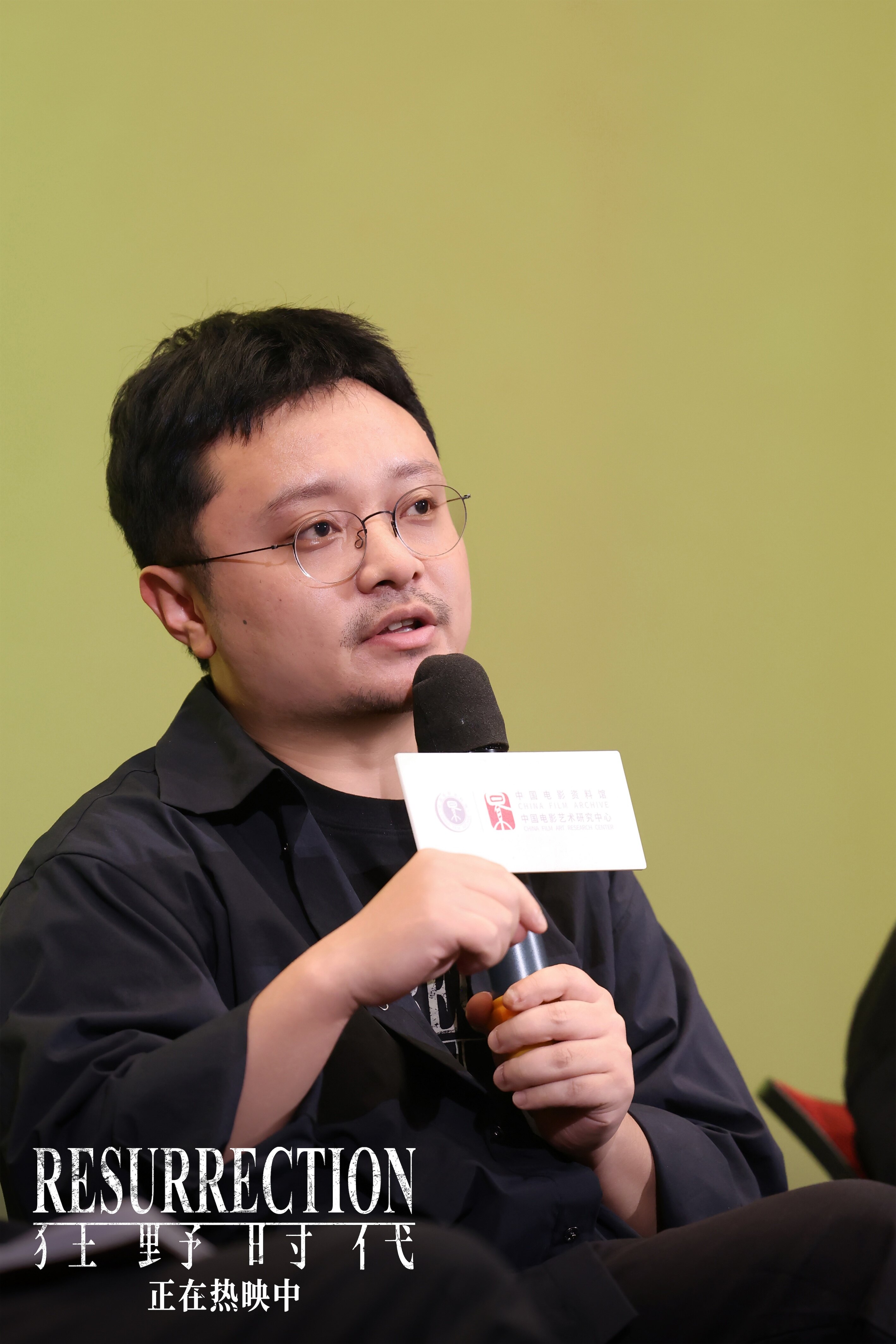
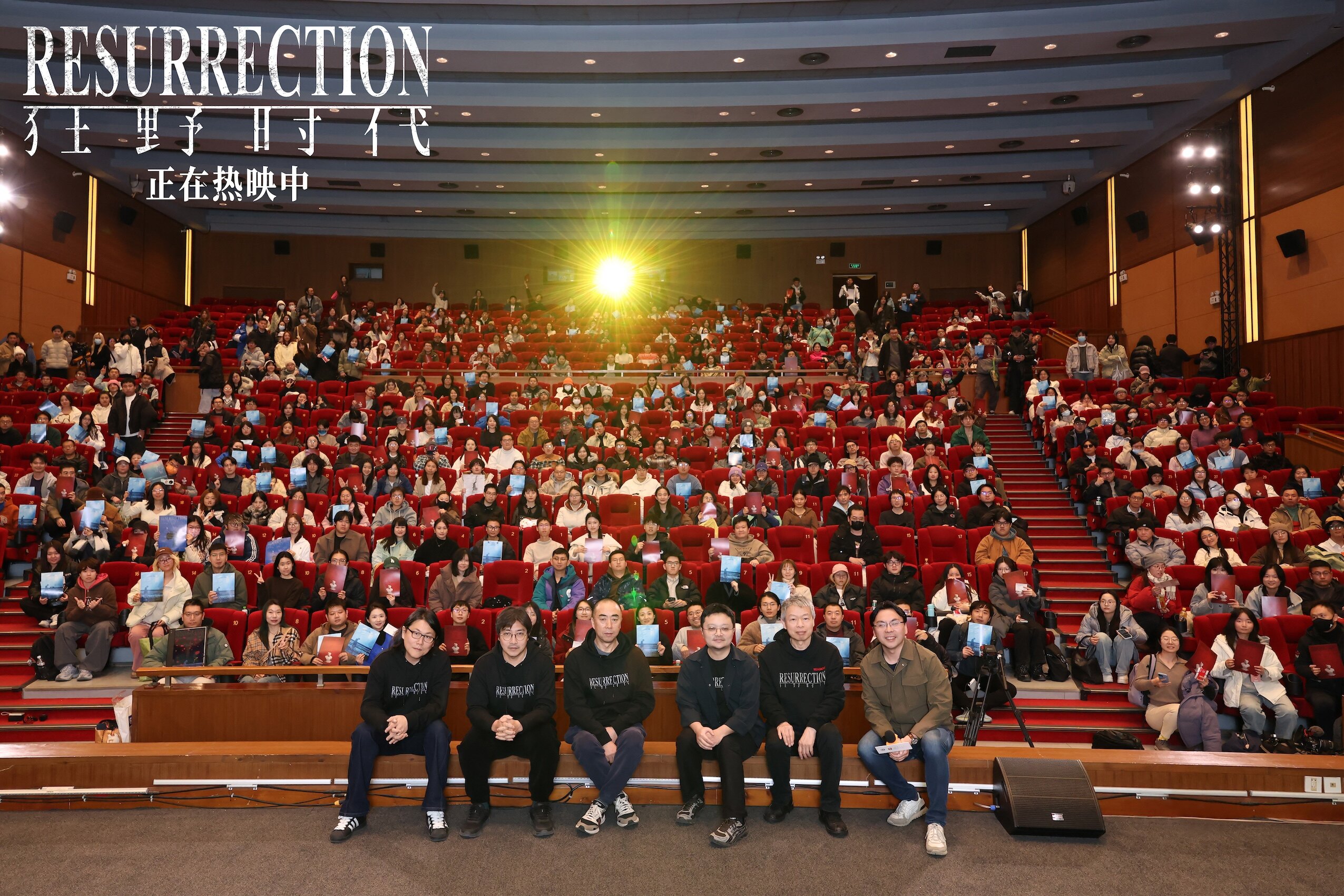
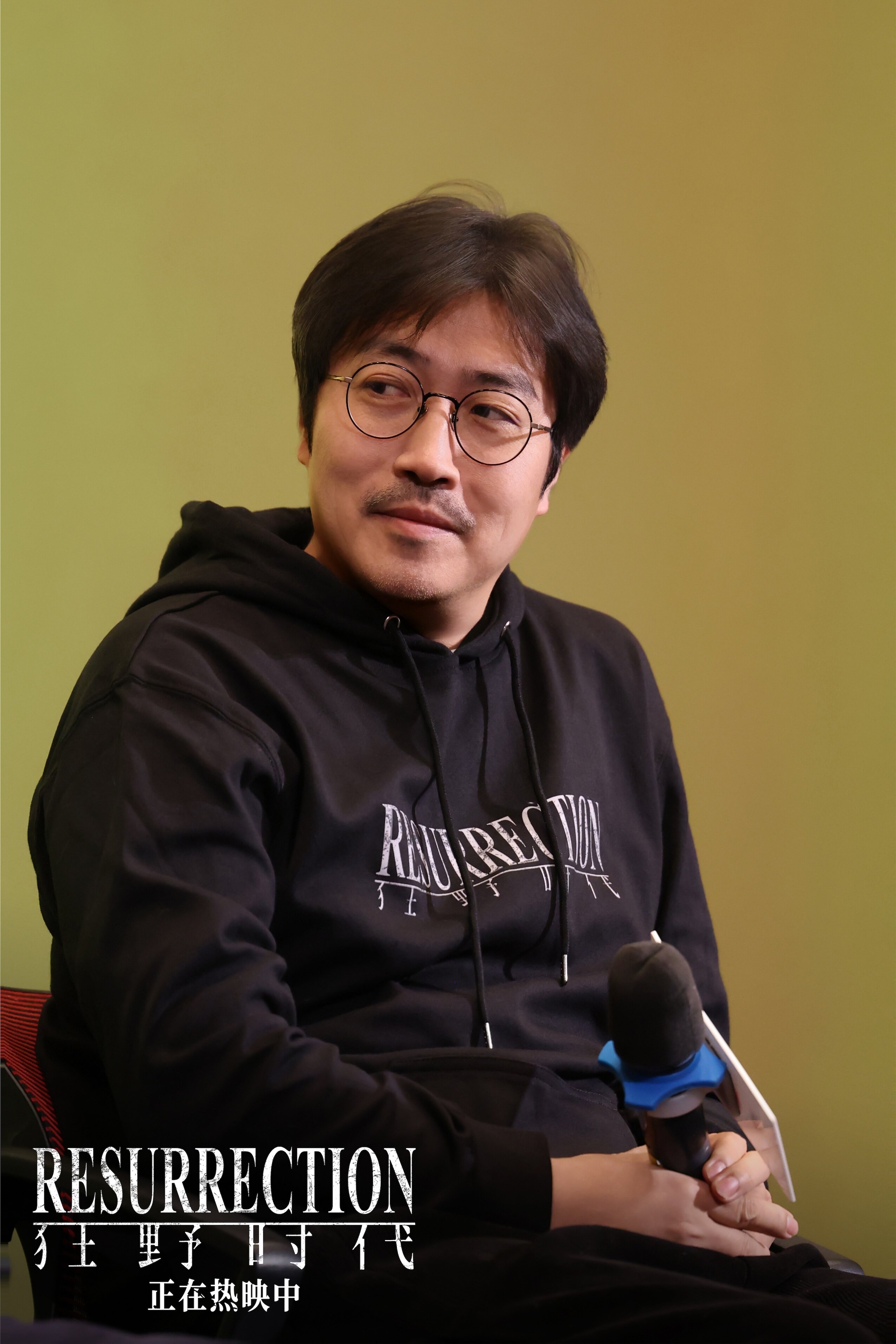
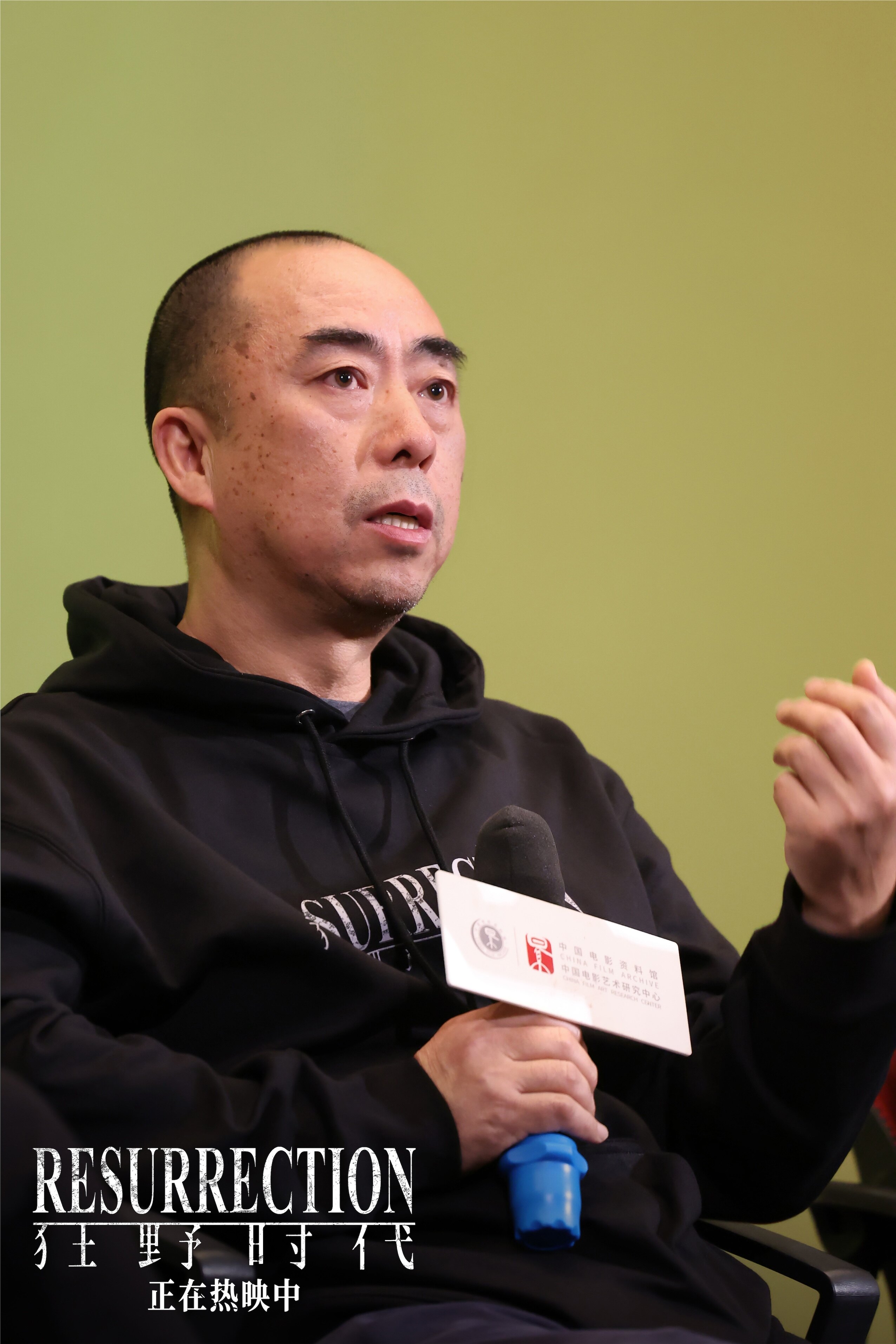
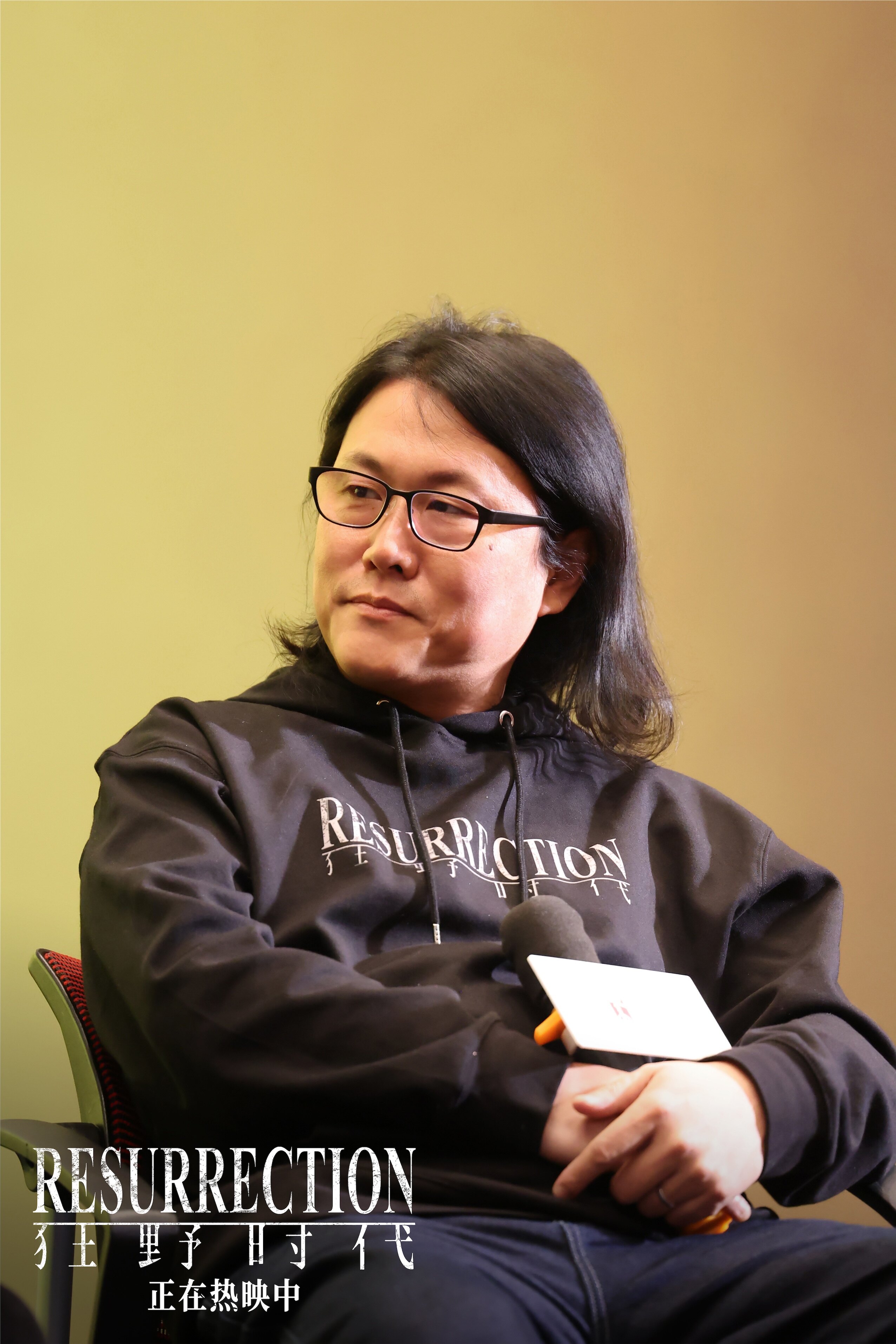
The film "Wild Times" is directed by Bi Gan, starring Yi Shou Qianxi and Shu Qi, specially starred by Zhao Youting, starred by Li Gengxi, starred by Huang Jue, Chen Yongzhong and Guo Mucheng, and starred by Zhang Zhijian, Zeng Meihuizi and Yan Nan. It won the special prize in the main competition unit of the 78th Cannes Film Festival. The film was screened at the China Film Archive yesterday. Director Bi Gan, photography director Dong Jinsong, art director Liu Qiang, and voice director Li Danfeng attended the event. They communicated sincerely with the audience and revealed in depth how the creator behind the scenes transformed this "dream of the century" into shocking sensory details every place on the screen. During the national hit, the cumulative box office (including pre-sales) has exceeded 167 million yuan.
The main creative team deeply collided with trust and tacit understanding to build a wild time and space
Behind the creation of the movie "Wild Times" is the in-depth tacit collaboration established between director Bi Gan and behind-the-scenes creators such as photography director Dong Jinsong, art director Liu Qiang, and sound director Li Danfeng. This collaboration is not limited to regular industrial processes, but is also based on advanced intervention and total trust. Photography director Dong Jinsong joined the scene survey and directing team more than half a year before shooting; art director Liu Qiang said that cooperation with Bi Gan requires establishing a common frequency of thinking in long-term exchanges in order to better realize the collision of creative inspiration.
Voice director Li Danfeng specifically mentioned that Director Bi Gan can still appreciate others and provide the precious qualities of "emotional value" in high-pressure creation, which makes the team willing to "hand themselves over" and devote themselves to a passionate joint creation. From the visual perspective and deconstructive scenery creation of silent film passages to the auditory experiment of sound-guided narration, each breakthrough in challenge is not the result of one-way instructions, but the team's continuous dialogue, trial and error, and repeated blending under the common aesthetic pursuit. The result.
It is this kind of mutual frequency and understanding based on trust that eventually makes those creative ideas become every shining dream on the screen. The film carries the narrative of the century in a closed-loop structure, blurs the boundary between reality and illusion through unique scene design, and the sound design is upgraded to the narrative subject in some chapters. This attempt to integrate experimental techniques into grand narratives has created a new dimension in the aesthetics of Chinese films, and the specific practices carried out by the creator in the process have jointly created the film's unique sensory world.
Breakthroughs and innovations in audio-visual language ** Creating screen poems through sensory experiments **
Visually, the film builds a unique time and space experience through deconstructive scenery and color narrative. After attempted exploration, director Bi Gan and the art team decided to break the traditional logic of scenery making and adopt an innovative method of combining foreground acrylic painting and background scaffolding in silent film scenes to create a visual metaphor intertwined with reality and illusion.
What is more worth mentioning is the design of the long lens at the end. After more than 10 days of rehearsal and 3 real shots, the team finally accurately captured the real passage of time from early morning to dawn, allowing the audience to experience the romance of the century. In terms of sound creation, Director Bi Gan hopes to elevate sound from the background to the subject that guides emotions and narratives through creative sound field design and physiological auditory experience. To this end, voice guided Li Danfeng to carry out a breakthrough practice from "restoring reality" to "guiding narrative."
In the silent film at the beginning of the film, the sound gradually transitioned from a mono music pool to a three-dimensional space where environmental sound suddenly poured in when the "Big She" tore open the curtain. In the auditory chapter, the sound becomes the narrative ontology: the creator disintegrates the Bach chorus revealed in the ending into a single level of elements, and by concealing the singing sound three times in the preface of the plot, hearing becomes a key clue to decoding the character's fate; When dealing with the plot where the character's left ear is injured, the left track of the theater is directly turned off and physical silence is used to simulate physiological trauma. This extreme sound field design allows the audience to no longer be bystanders, but to deeply empathize with the characters through their physical auditory experience.
The film "Wild Times" was produced by Shanghai Huace Film Co., Ltd., Dangmai Pictures (Shanghai) Co., Ltd., Shanghai Maoyan Pictures Co., Ltd., Nanjing Daxi Cultural Media Co., Ltd., and Poly Pictures Investment Co., Ltd. During the national hit of the film, early winter has arrived. Let's meet in the theater together and travel through the entire century in "Wild Times" to experience a wild dream that subverts the senses!
 白羊座
白羊座 金牛座
金牛座 双子座
双子座 巨蟹座
巨蟹座 狮子座
狮子座 处女座
处女座 天秤座
天秤座 天蝎座
天蝎座 射手座
射手座 摩羯座
摩羯座 水瓶座
水瓶座 双鱼座
双鱼座