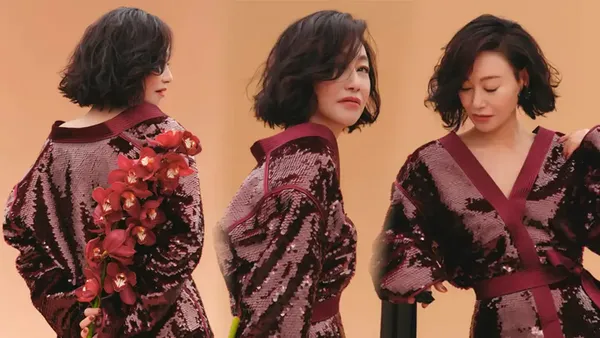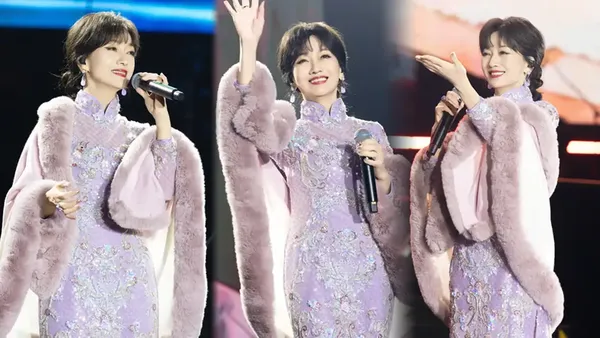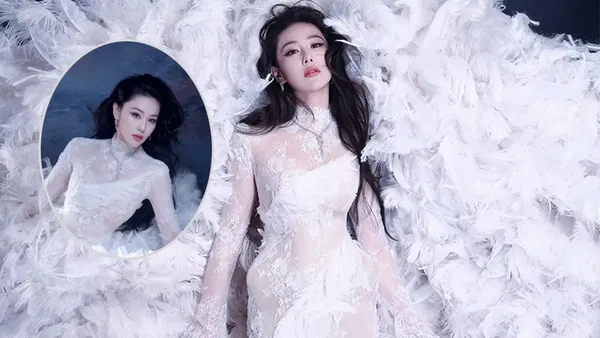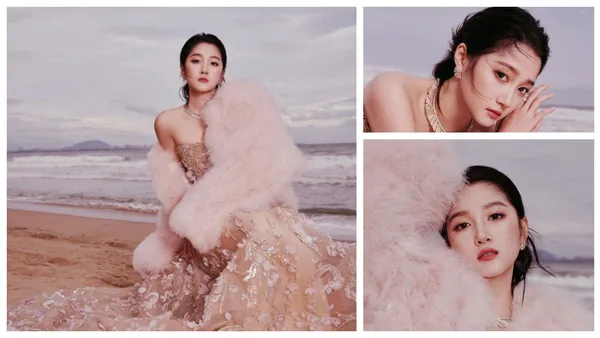
Zhu Zhe-Qin sang the movie "the God of the first", "the end of the film" and "return" to convey the belief of young heroes affectionately.
The national mythological epic "Fengshen I" is well received. The newly released ending song "return" is sung by Zhu Zhuqin, which vividly interprets the strong...
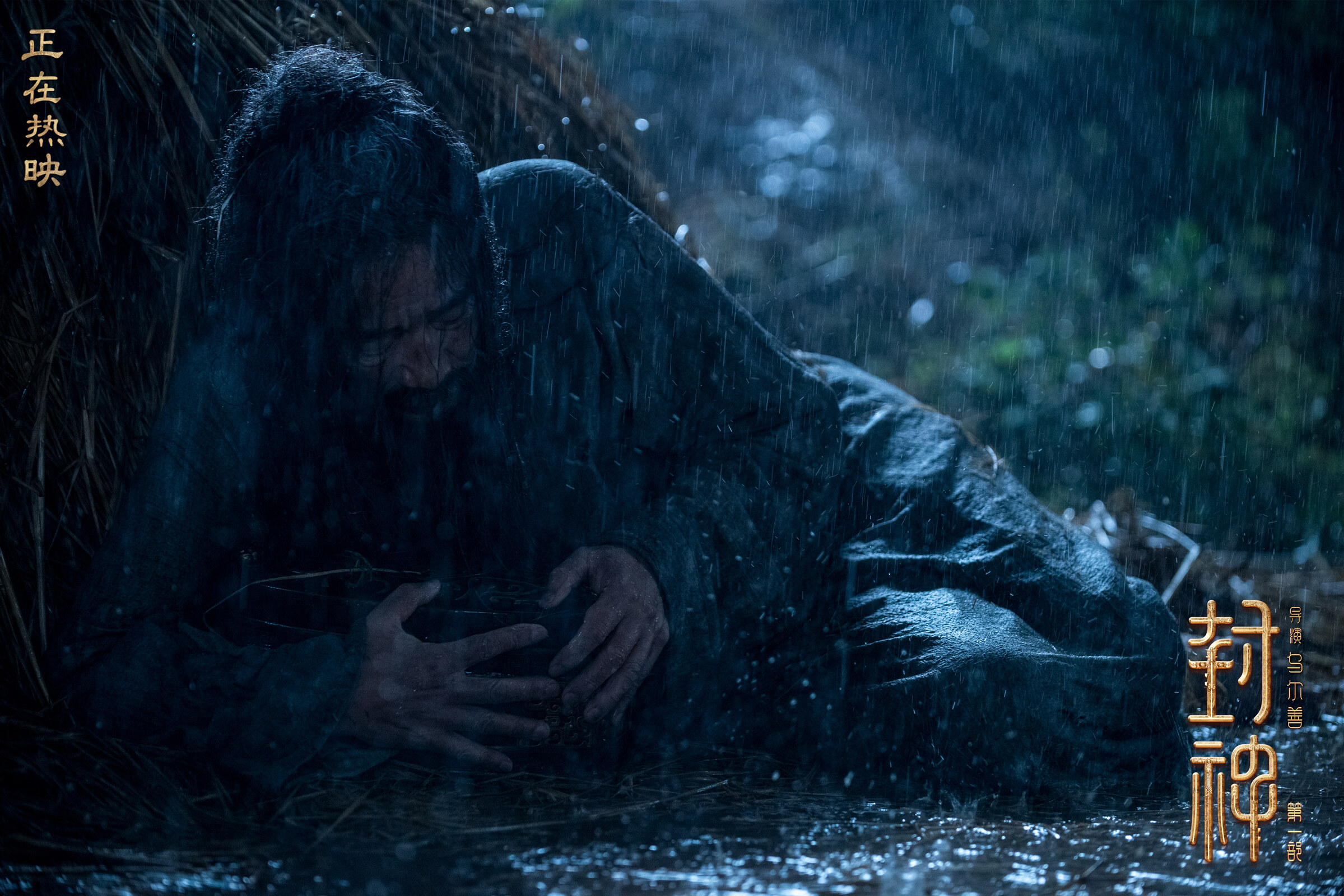
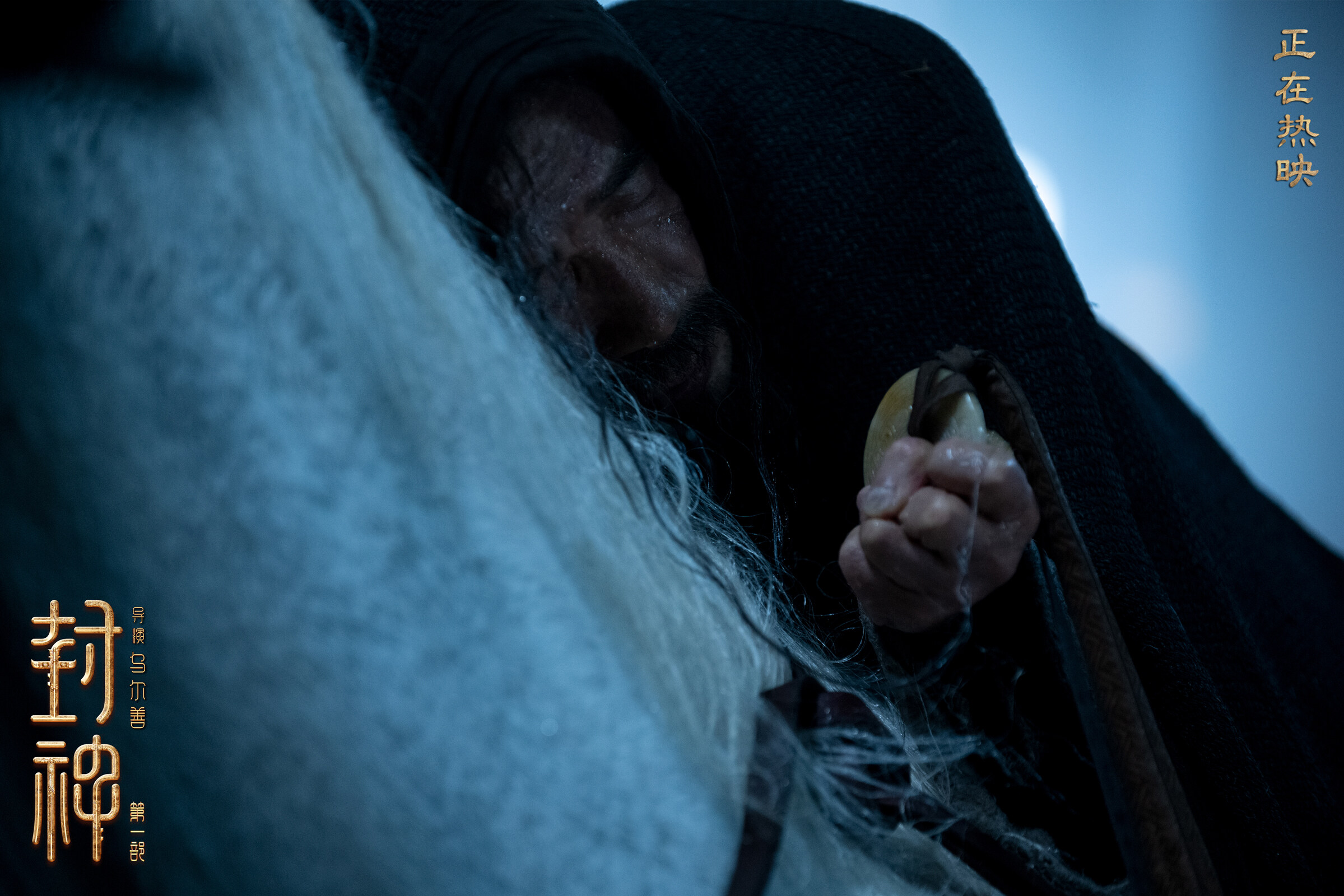
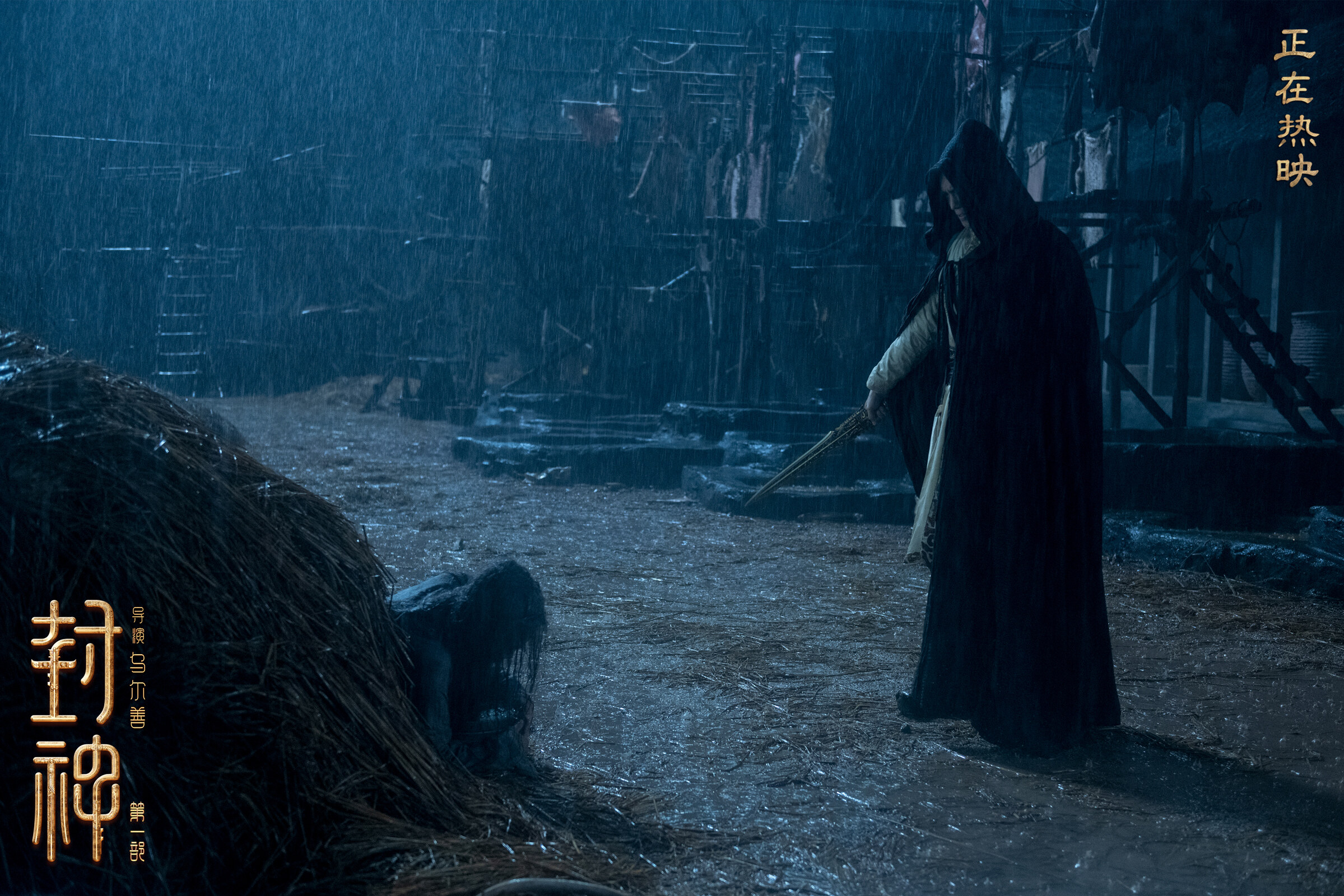
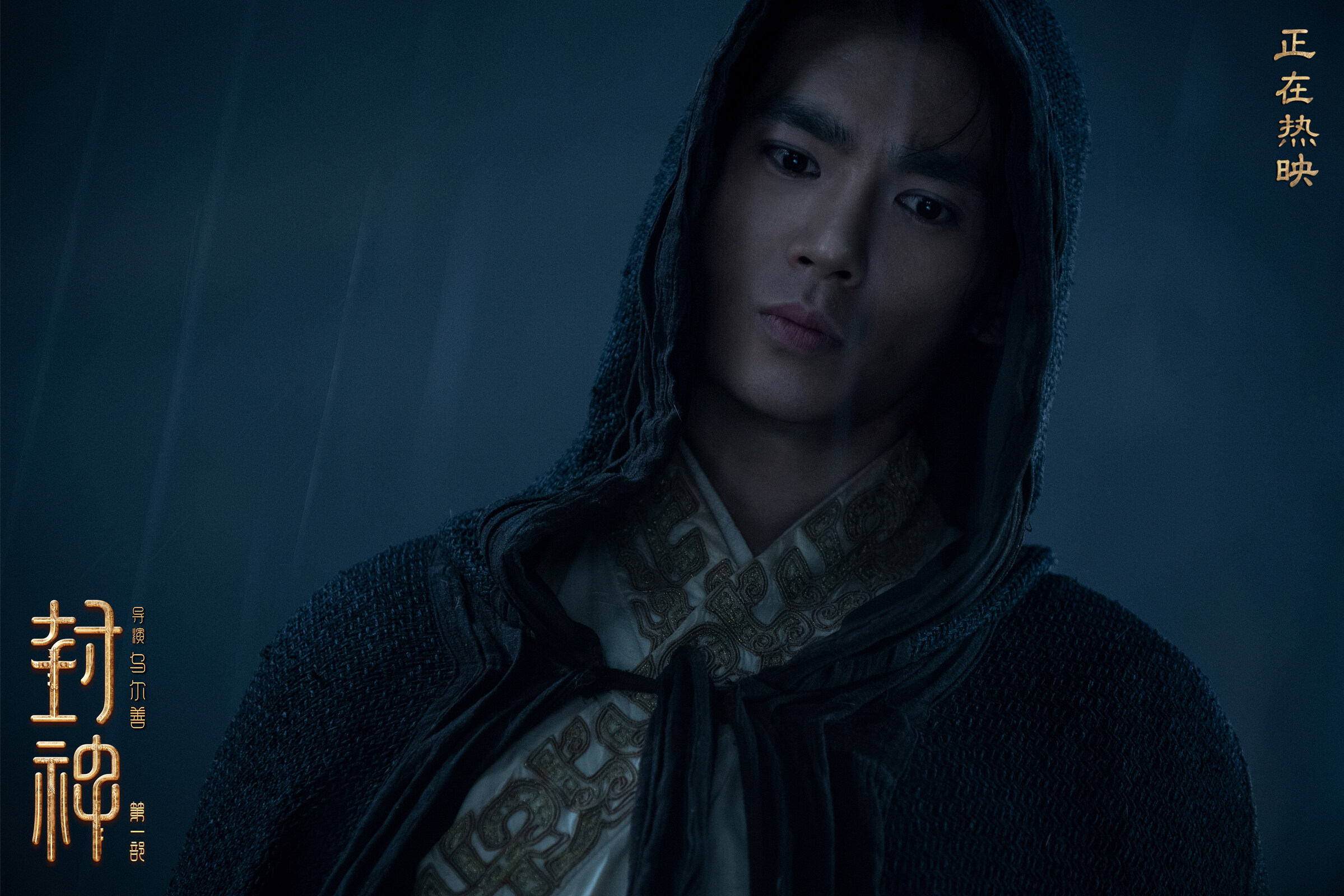
The national mythological epic "Fengshen I" is well received. The newly released ending song "return" is sung by Zhu Zhuqin, which vividly interprets the strong emotion of the young hero Ji Fa going astray and returning to Xiqi. There is not only a majestic momentum, but also a call from a distant hometown, setting off the character's inner belief and sense of strength incisively and vividly. Directed by Urshan, the film stars Fei Xiang, Li Xuejian, Huang Bo, Yu Shi, Chen Muchi, Na ran, this Sha, Wu Yafan, Xia Yu, Yuan Quan, Wang Luoyong, Hou Wenyuan, Huang Xiyan, Li Xirui, Yang Jie and Chen Kun.
*Zhu Zhiqin sings the emotional theme of the movie Xiqi father and son are warm and touching**
The final song "return" sung by Zhu Zhe-Qin is adapted from the emotional themes of the two major music themes of the Fengshen Trilogy, Hero and emotion, which shows the touching affection and strong family and national feelings between Xiqi and his son. The timbre of the traditional Chinese musical instrument Dizi is simple and distant, which is integrated into the performance of magnificent symphonic instruments, just like the call of hometown Xiqi and father Jichang to Ji Fa.
In the first part of the ending song "return," the singer Zhu Zhe-chin sings softly, with the lyrics "you are the oath of silence of your father, you are a child lost in light, pursuing the immortal light of your hometown," which seems to tell the fate of protons in Jifa's eight years. The latter "I hope the night will disappear, may the oath never regret, may the infatuation never forget, and may the light never go out" becomes loud and clear, echoing the awakening of Ji Fa. In the scene of Handai in the distant mountains, the rising sun and the ups and downs of wheat waves, the young white horse marched forward, stirring out the primitive beliefs and strength of the characters.
At the same time, the ending song "return" MV also shows many moving film clips, which further deepens the emotional theme. Whether Boyi Kao firmly said, "I can die for him," Ji Fa solemnly promised, "Father, I will certainly go back to Xiqi," or Jichang's sentence to Lei Zhenzi, "Let's go home," made countless audiences cry. The audience praised "very much like the film's portrayal of love and family, and the Boyi exam was so heartbreaking." it was so good that Ji Fa showed me tears when she came home. "Lei Zhenzi flapped her wings and hugged Ji Chang, saying that we went home, and my tears fell worthlessly." the young hero finally returned to his hometown after leaving home for many years, which was both touching and shocking.
Young heroes wake up to the metaphor of returning to their hometown and return to the values of goodness and justice
With the footage of Lei Zhenzi taking Jichang home in the "return" MV, the whole picture of Xiqi City appears in front of the audience, and the city, which is located between the wheat fields in the mountains, is full of simple and peaceful humanistic atmosphere. By contrast, Chaoge City shows a strong industrial, commercial and military temperament. The different styles and characteristics of the two reflect the different cultural background of Xiqi and Korean songs, and it is also the external embodiment of the two distinct values of Jichang and Yin Shou. In the film, Ji Fa has her biological father Ji Chang and his spiritual father Yin Shou, who is powerful and powerful, but abusive and unscrupulous, and does whatever it takes to achieve power and ambition. Although Ji Chang is old and thin, he is stronger, wiser and warmer in spirit. Lei Zhenzi and the fox demon Da Ji start from the root of good or evil. The confrontation between Longde Dian and his son is a metaphor for the choice of values recognized by young protons such as Ji Fa.
Ji Fa's move to return to Xiqi is like the song in "return," which sings "the return of the body, the peace of mind, the passing of a thousand mountains, is the hometown." not only is the "return of the body," but his mind also surmounts the obstacles and returns to the values of justice and goodness represented by his biological father Jichang. Ran Ping, the screenwriter, said: "what we want the audience to see is a man of flesh and blood, the feeling of his return to his hometown, all the pain in the process of his awakening, he discovers the truth, completely negates himself in the past, and then makes a choice." which path should I take, what kind of person I should be, which father is the real hero I am proud of? Which piece of land is the place I am willing to give my life to protect. " In the latter two installments of the Fengshen Trilogy, the audience will also see Ji Fa grow further in the battle to defend Xiqi and conquer Chaoge, which is worth looking forward to.
Film Fengshen I is directed by Urshan, starring Fei Xiang, Li Xuejian, Huang Bo, Yu Shi, Chen Muchi, Na ran, this Sha, Wu Yafan, Xia Yu, Yuan Quan, Wang Luoyong, Hou Wenyuan, Huang Xiyan, Li Xirui, Yang Jie and Chen Kun. Wuxi Branch of Beijing Jingxi Culture and Tourism Co., Ltd., Beijing Jingxi Cultural Tourism Co., Ltd., Century Changsheng Sky Film (Beijing) Co., Ltd., Dongyang Changsheng Film and Television production Co., Ltd., Tianjin Maoyan Weiying Culture Media Co., Ltd., Shanghai Tencent Penguin Film and Television Culture Communication Co., Ltd., Qingdao Haifa Film and Television Culture Co., Ltd., Huaxia Film Distribution Co., Ltd. The film is a hit.
 白羊座
白羊座 金牛座
金牛座 双子座
双子座 巨蟹座
巨蟹座 狮子座
狮子座 处女座
处女座 天秤座
天秤座 天蝎座
天蝎座 射手座
射手座 摩羯座
摩羯座 水瓶座
水瓶座 双鱼座
双鱼座