
Fang Wenshan's scandal: With the national style of poetry, don't regard your work as the answer to your character
Jiuzhi Network News A handwritten love letter and several chat records pushed Fang Wenshan to the center of public opinion on August 11. What is more worth pondering than the g...
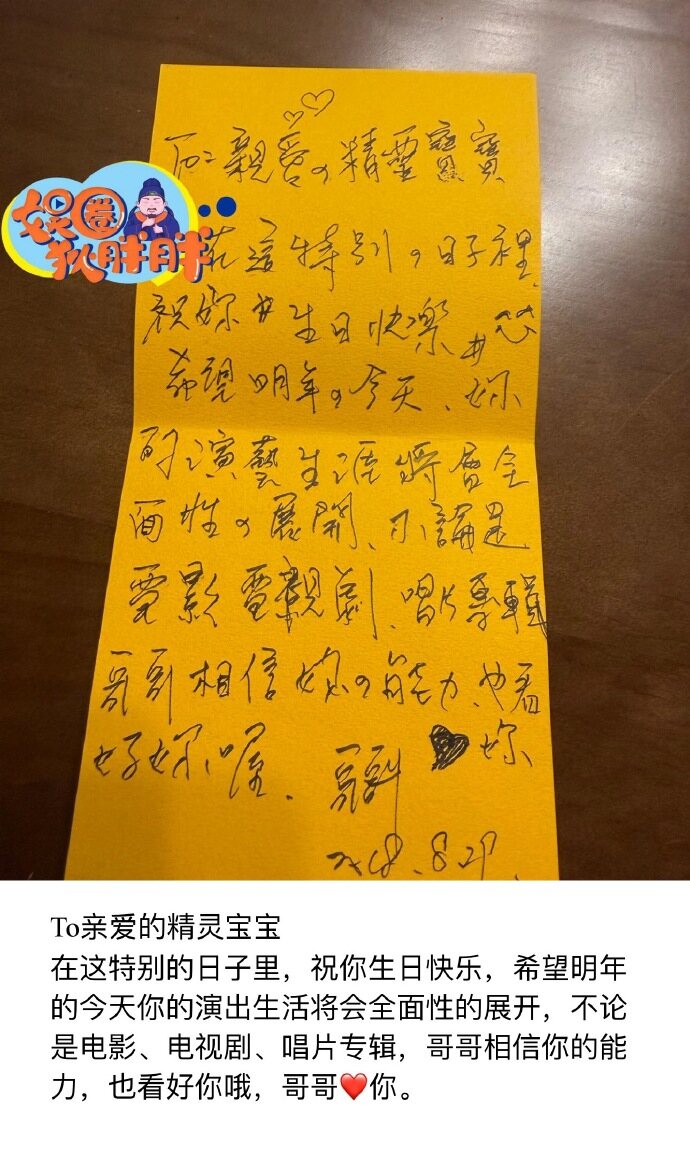
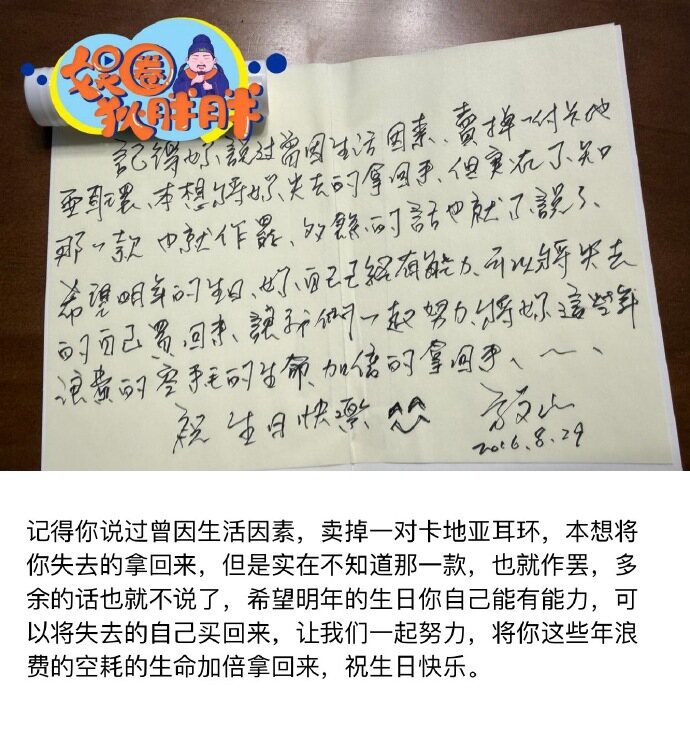
Jiuzhi Network News A handwritten love letter and several chat records pushed Fang Wenshan to the center of public opinion on August 11. What is more worth pondering than the gossip itself is the sense of amazement that pervades the entire Internet: the person who wrote "The sky is blue and the misty rain, and I am waiting for you", the lyricist who used words to pave the hearts of countless people, how could he be trapped in an eight-year emotional controversy mixed with concealment and pulling?
The essence of this confusion is a collective illusion that we have long had: we always acquiesce to "the style is like the person" and to be able to write people with extreme affection and elegance, and our personal virtues must be worthy of the gentleness of the pen. We naturally project the emotion we gained from the lyrics onto the creator himself, coating him with a perfect filter of "national style and talent"-he should be restrained, transparent, loyal to emotions, and should Live into the way he writes.
But words are never an autobiography of life, but a product of creation. Fang Wenshan's poems contain the grace that spans thousands of years, the unswerving waiting until death, and the most delicate blank space in Eastern aesthetics. This is his professional talent, his control over words, and his accurate capture of public emotions. This ability has made him an inseparable name in the Chinese music industry and given him a concrete expression of national style and popularity. This is an objective artistic value that will not be dissolved out of thin air just by a personal scandal.
But talent is never a guarantee of personal virtue. A person who can write about beautiful love may not be able to handle intimate relationships in reality; a person who can stick to his measure in words may not be able to keep boundaries in life. This is not an excuse for rumored behavior-if the accusation of concealing and consuming other people's emotions within marriage is true, there will be no less moral judgment and public opinion costs that should be borne. It's just that we don't have to go to the other extreme: because of disputes in the private sphere, we deny his contribution to Chinese pop music for more than 20 years and label all the words that have touched us as "hypocrisy."
This storm is more like a reminder: we should learn to judge our work and character in two independent coordinate systems. When appreciating his poems, you can immerse yourself in the aesthetic world constructed by words, and you don't have to ask whether the author lives as he wrote them; when judging his behavior, you can return to the yardstick of public order and good customs, and you don't have to use "he wrote so well" Words "to justify personal mistakes.
In recent years, the "talent filter" has been broken again and again in public opinion. We have seen too many creators whose writing is transparent and realistic. Instead of being disappointed again and again and shouting "collapse the house" again and again, it is better to let go of the obsession with the "perfect creator" earlier. Artistic creation itself includes imagination, processing and sublimation. It originates from life, but it is never equivalent to the creator's real life. We are moved by the deep emotion in the lyrics and shed tears for the resonance in the melody. This emotion is real and this aesthetic value is real. This is enough.
As for the truth of the rumors, there will eventually be time to give an answer. As listeners and bystanders, the boundaries we should most guard are: let words return to words, let character return to character, and let life return to life. There is no need to deify the person who writes the wind and moon, nor do you need to deny the person who writes the words because of the wind and moon.