A lantern witnesses the official opening of pre-sales of the real historical film "Sidu" behind "using soldiers like gods"
Focusing on the Battle of the Four Crossing Chishui River, which Comrade Mao Zedong called "the proudest pen of his life" during the Long March of the Red Army, the major revolutio...
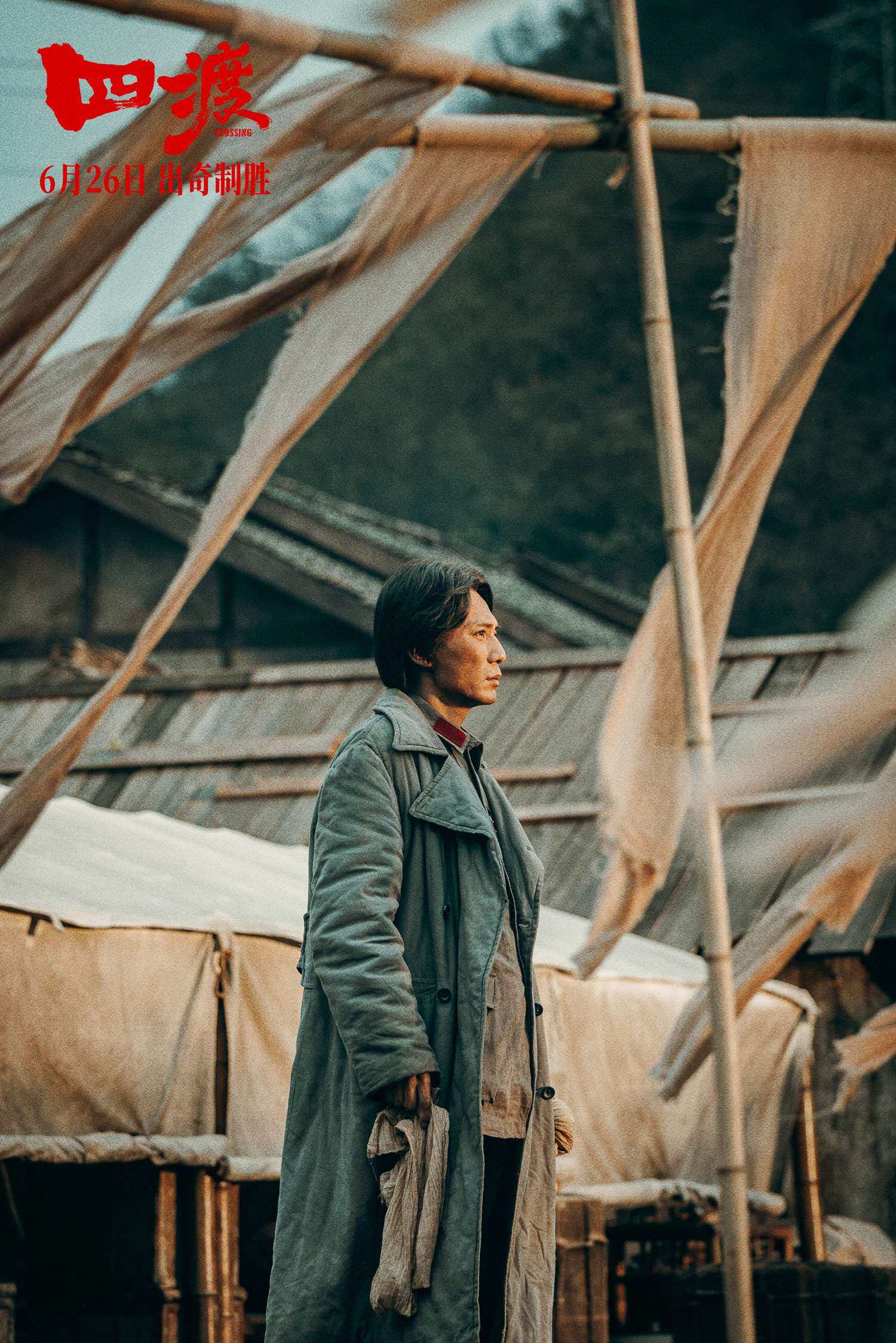
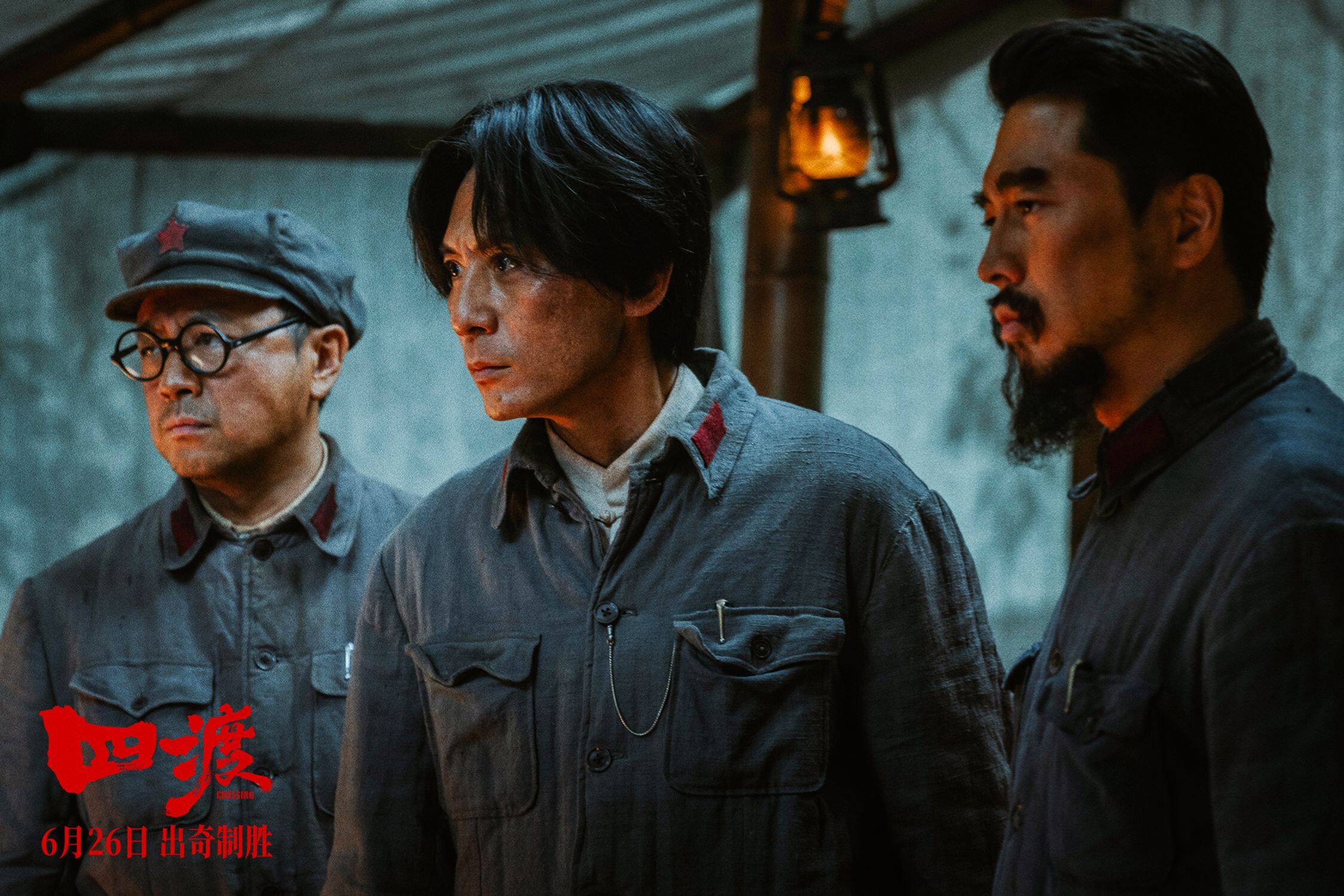
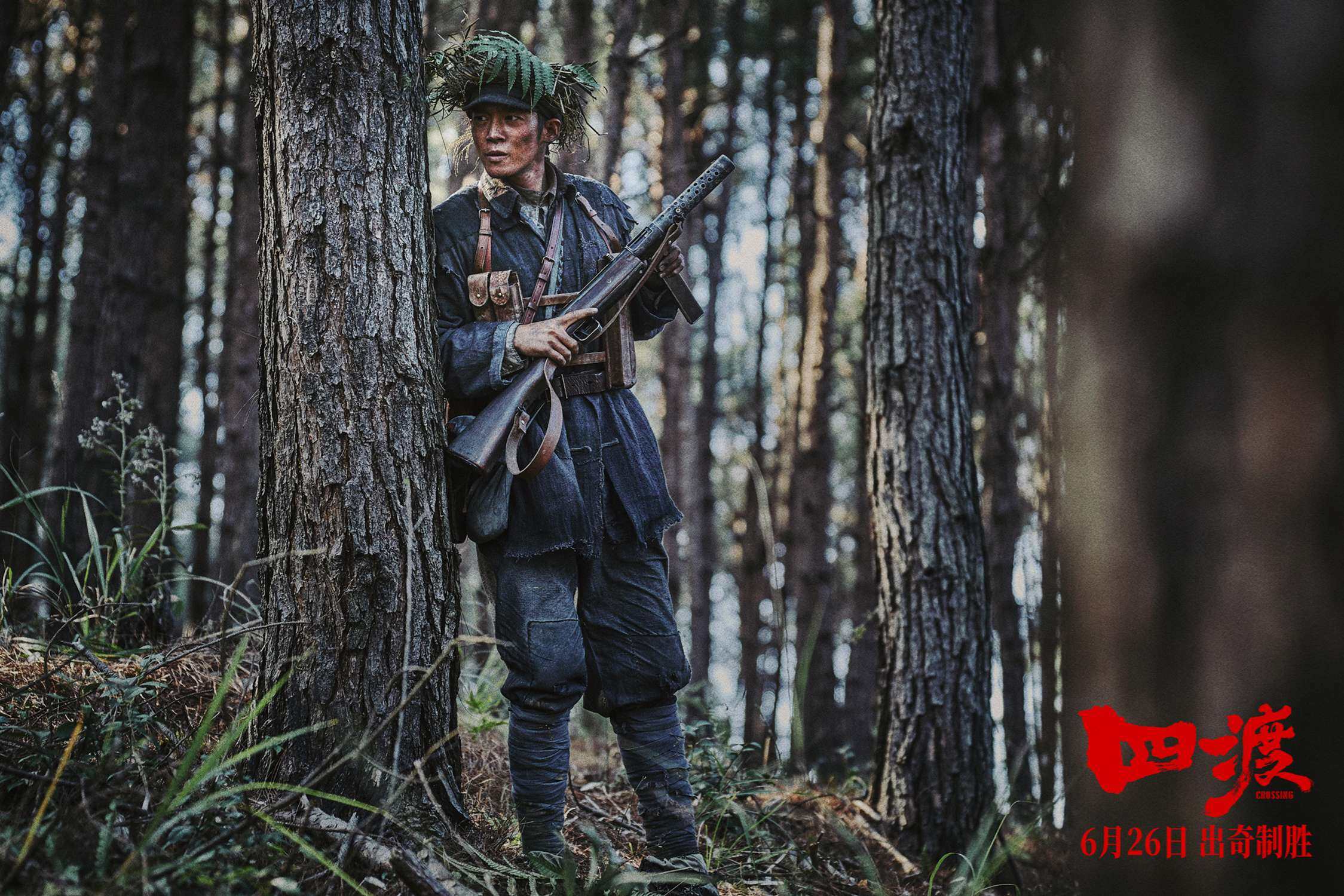
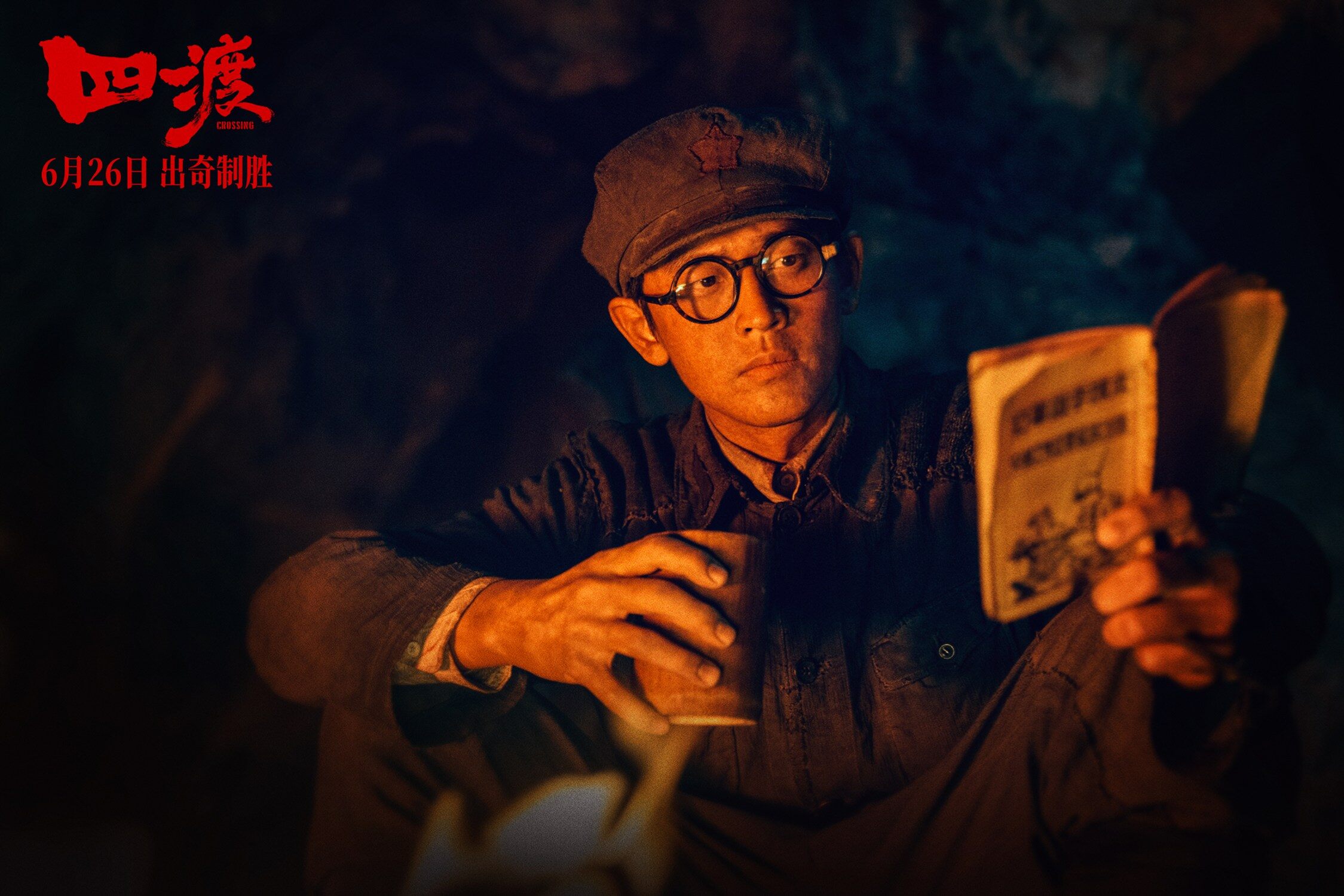
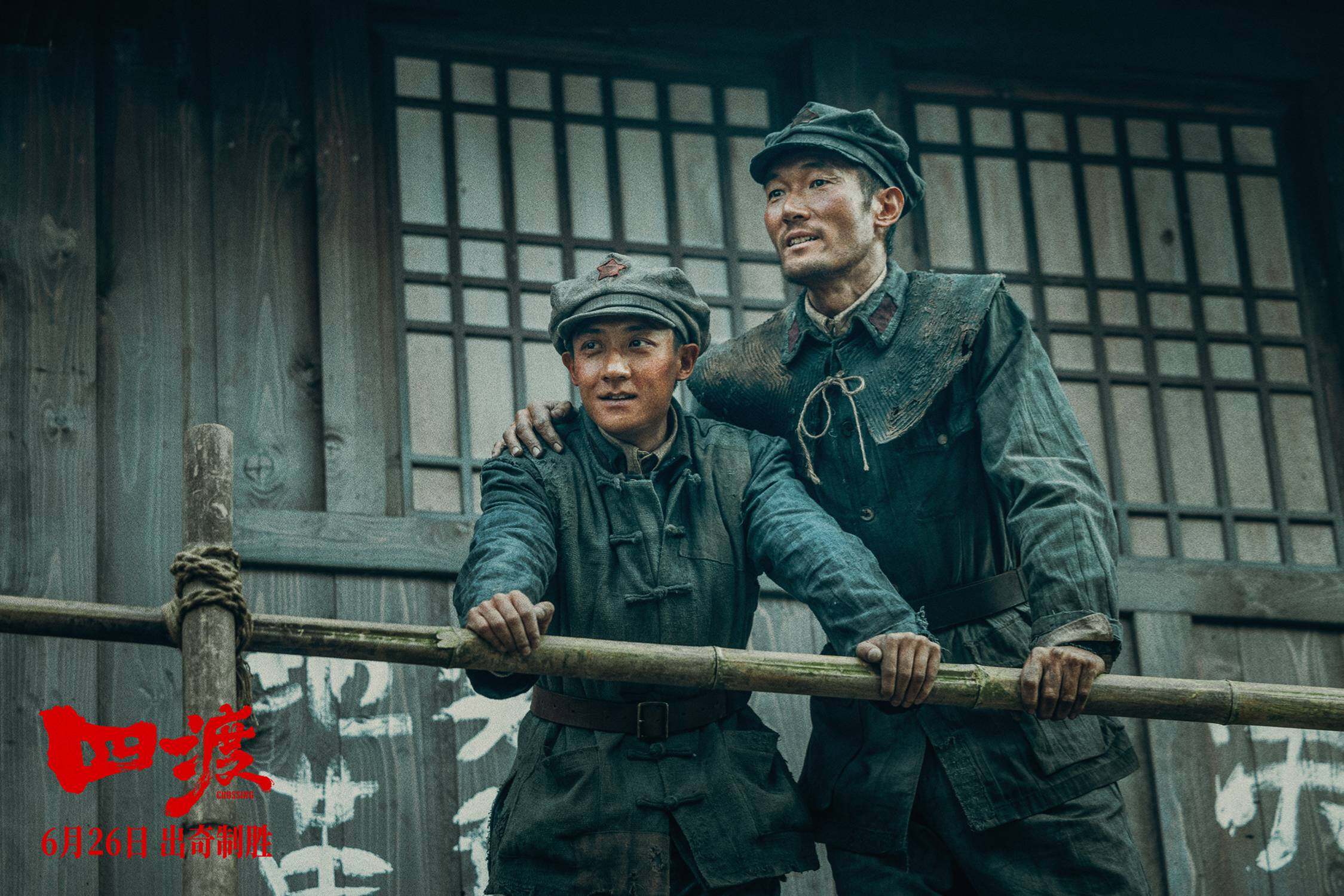
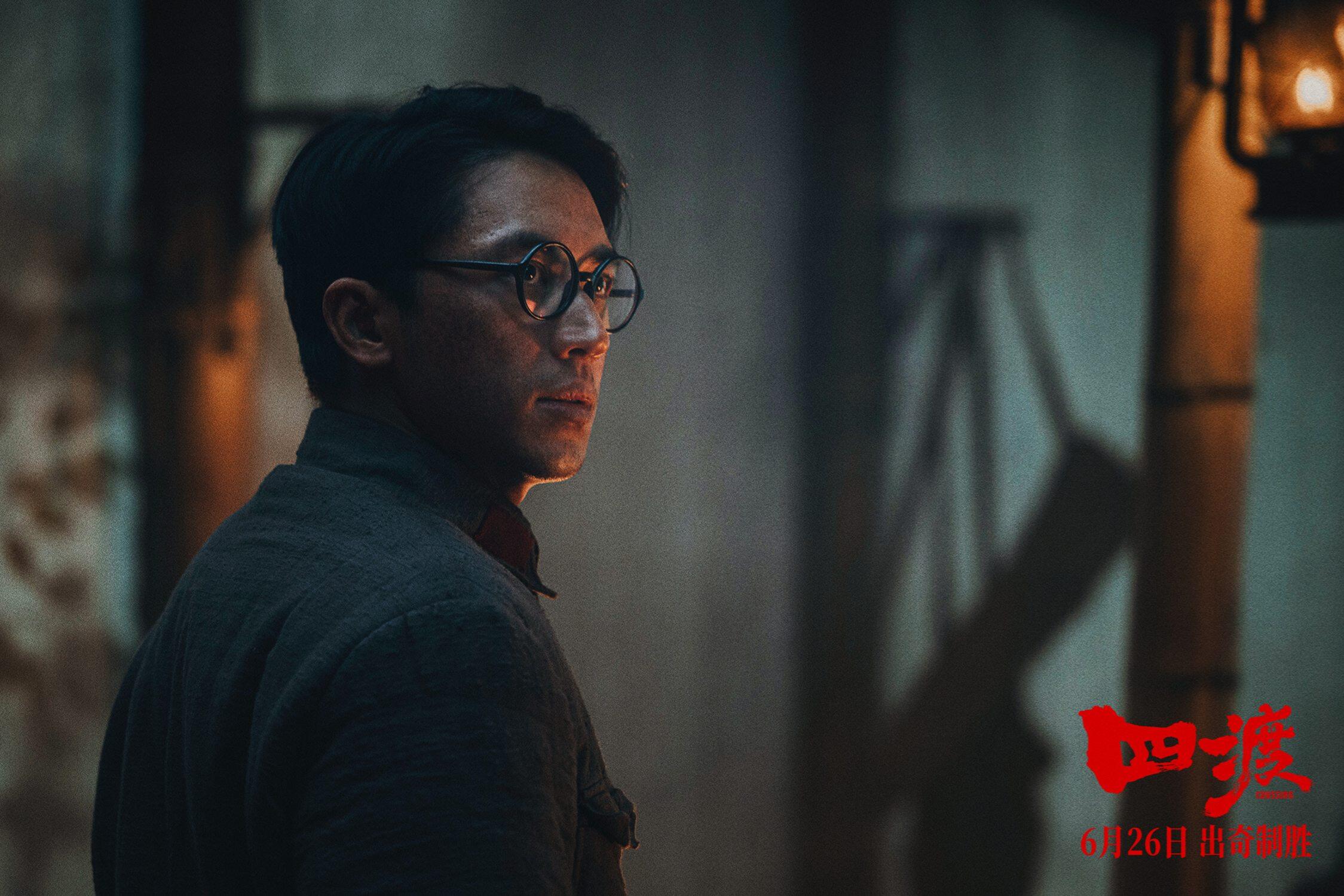
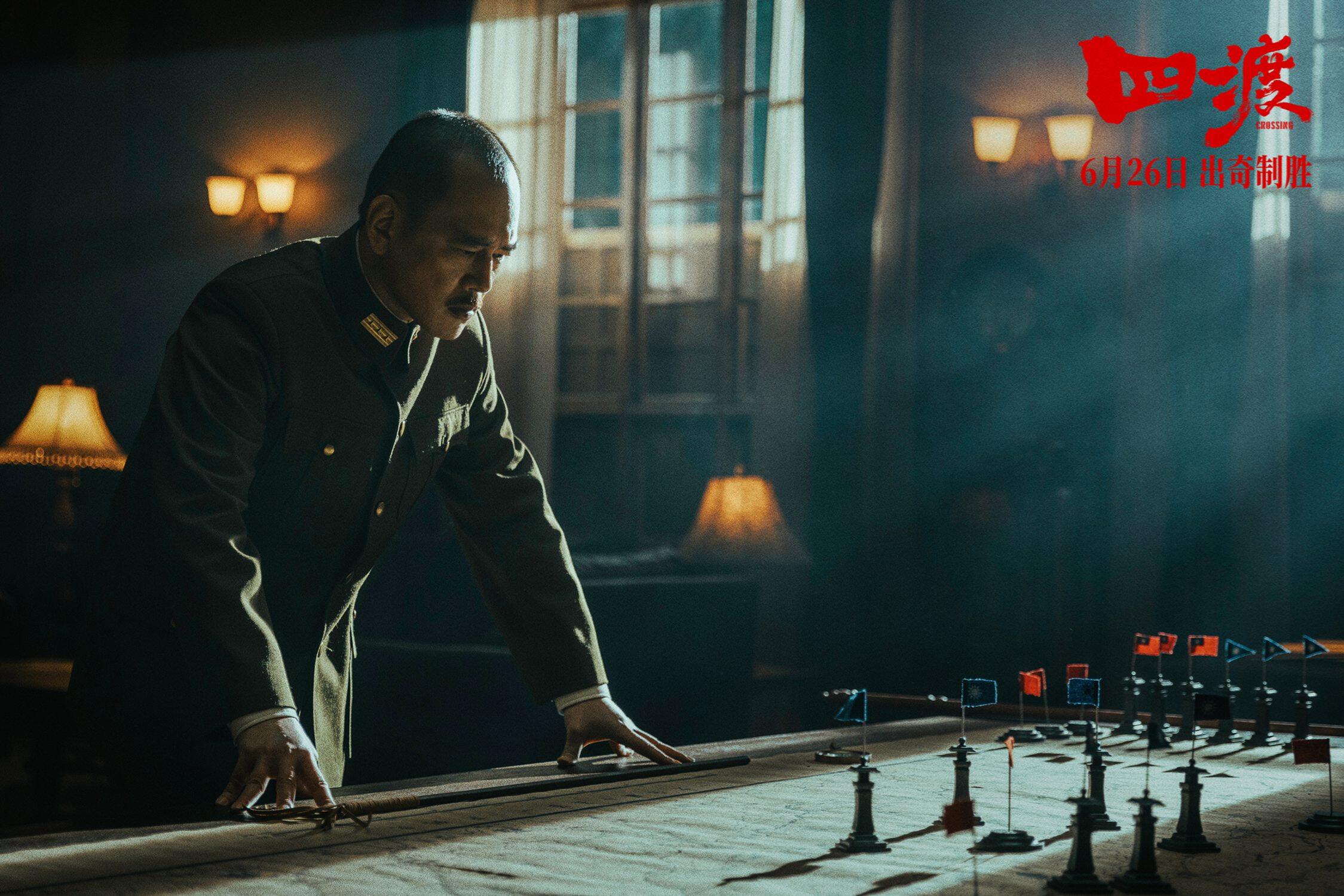
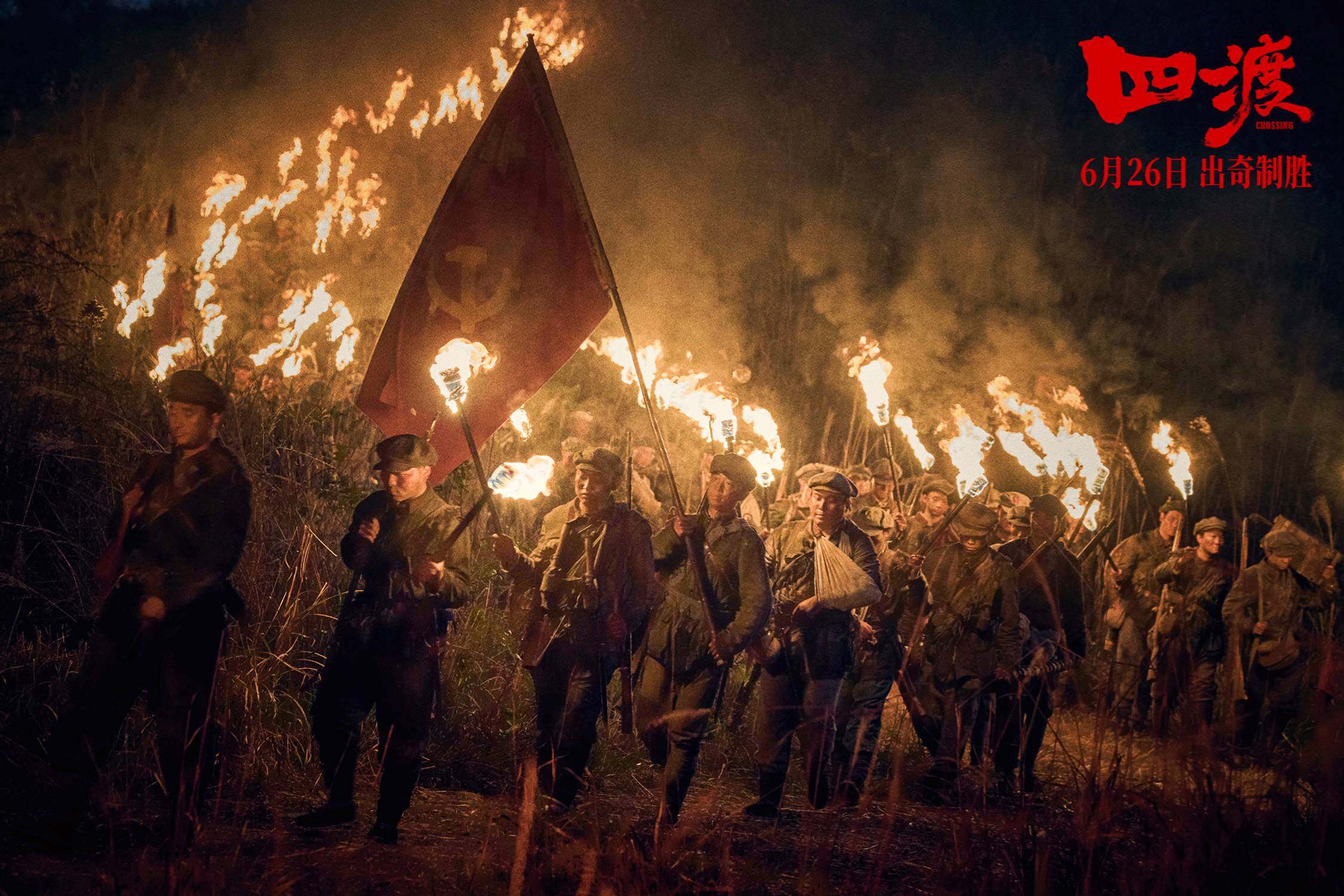
Focusing on the Battle of the Four Crossing Chishui River, which Comrade Mao Zedong called "the proudest pen of his life" during the Long March of the Red Army, the major revolutionary historical film "Four Crossing", which shows the survival of 30,000 Red Army under the "iron bucket encirclement" of 400,000 enemy troops, was officially released today and announced the simultaneous opening of national pre-sales!
On June 9, the film "Four Duties" held a grand national premiere in Guiyang, Guizhou. 91 years ago, the main battlefield of the four crossings of Chishui was on this red land; after 91 years, the film "Four Crossing", which gave a panoramic view of the battle, returned to Guizhou to hold its national premiere, which fully demonstrated the film's creative confidence and ability to stand the test. Quality. On that day, the first batch of Guizhou audiences to watch the movie included descendants of the Red Army, as well as Guizhou college students who volunteered to participate in the film performance. Having grown up listening to the story of the Red Army, they all said that they truly understood one thing through this film: Crossing Chishui is not a simple military miracle, but also a spiritual ferry about faith, persistence and breakthrough. Some viewers also said that the film abandoned the traditional "God's perspective", did not deify historical figures, and no longer reversed the development of the war with the final victory."It is really a red feast that returns to the true nature of history, has both the temperature of details and the thickness of the pattern!" Some viewers said excitedly: "The sound of guns on the big screen is deafening, the audio-visual impact of the rough waves of the Chishui River is immersive, and the grand scheduling and detailed depiction of the war scenes are amazing!" Producer Liu Weiqiang and director Xu Zhanxiong joined forces to transform this classic battle in military history into a breath-taking screen experience with extremely tense camera language and precise rhythm, allowing the audience to be shocked and more impressed. I have a personal experience of that extraordinary years.
Revealing the behind-the-scenes filming of the Gouba Conference: Liu Ye's performance of "flesh and blood" was recognized
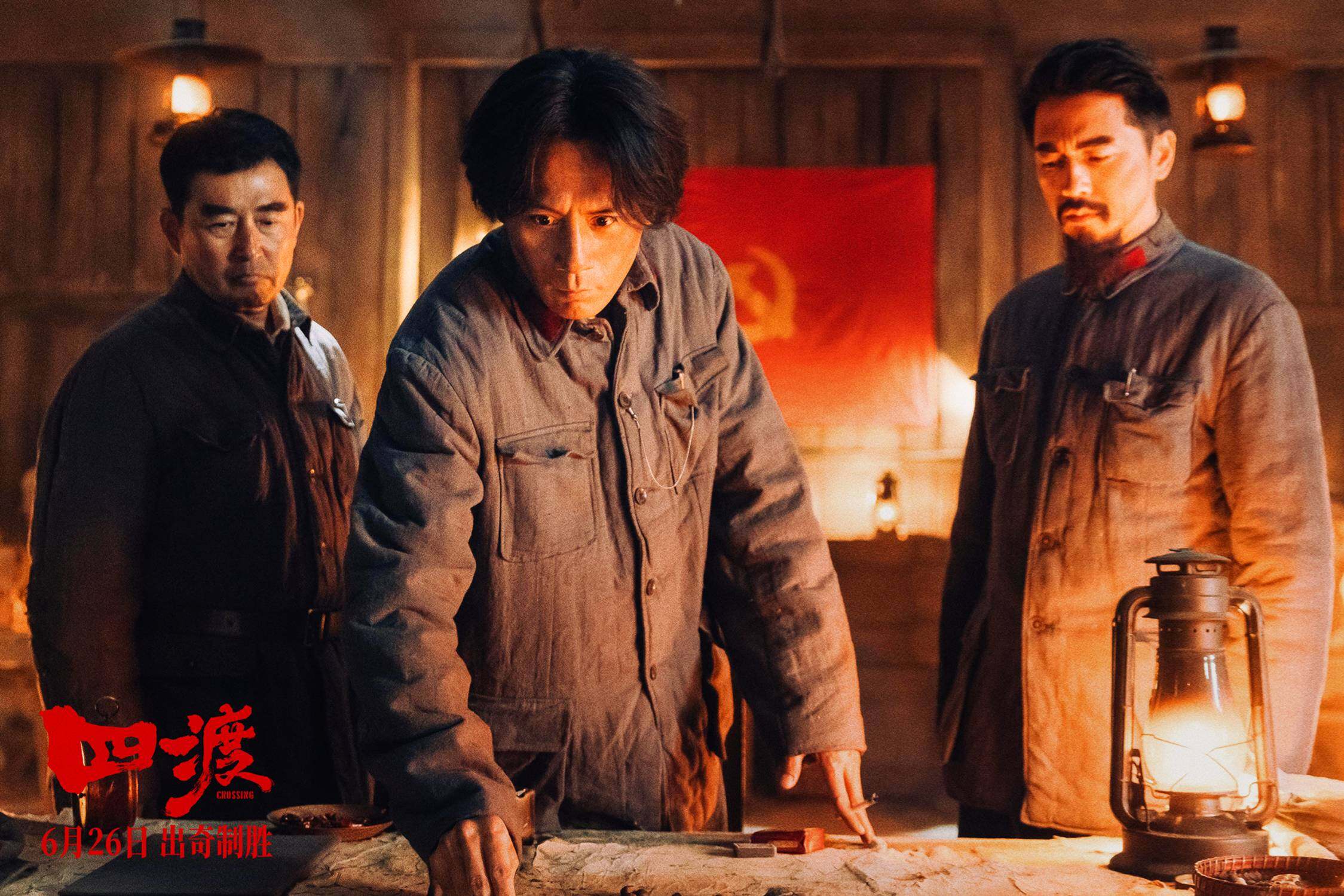
"A lantern, a path, a major decision." As a continuation and improvement of the Zunyi Conference, the Gouba Conference has also been an important video link that military fans have expected for many years in the Battle of Four Crossing Chishui. Therefore, during the script creation stage of the movie "Four Duties", the Gouba Conference was the "must-see scene" unanimously recognized by the main creative team.
During the script creation process, the main creative team believed through in-depth research that the reason why the four crossings of Chishui in history could change from passive to active was that the Gouba Conference was a key node in the Battle of the Four Crossing of Chishui. This was the most severe and complex situation in the entire battle. It was also the most arduous moment when Comrade Mao Zedong faced the most difficult test. At that time, Mao Zedong not only had to deal with the enemy's step-by-step pressure, but also faced doubts from comrades within the party. Faced with such a dilemma, he had anxiety, hesitation, reflection, and even disappointment. These ordinary emotions, which were seen by ordinary people, were reflected in him and also allowed the great man to show his flesh-and-blood side.
The creative team believed that the Gouba Conference, as a continuation and improvement of the Zunyi Conference, had both life-and-death decisions and unexpected intra-party conflicts. Mao Zedong tried his best to rule out public opinions and argue for reasons at the meeting, and after the meeting, he carried a lantern to persuade Zhou Enlai late at night. This historical detail vividly demonstrated the deep friendship between the two great men who treated each other with sincerity and worked together with one heart and one heart at the critical moment of the revolution. For the entire story of the four crossings of Chishui, this meeting actually pointed out the true logic behind "using soldiers like gods": it was not a divine weapon descending from heaven, but a process of finally building consensus through difficult persuasion and repeated arguments in desperate situations. Without the arguments at the Gouba meeting, there would be no subsequent four crossings of Chishui.
Director Xu Zhanxiong revealed that the scene of the Gouba Conference was recognized as the "most difficult scene to shoot" by the whole group, and Liu Ye's performance moved all the creators present and allowed the audience to witness a textbook-level performance on the big screen. "At that time, Chairman Mao was in a situation where his brain was running at high speed. He wanted to explain all his next plans clearly to everyone, what we couldn't do and what we should do. The lines in this scene were as long as a page, and they were a one-man show by Teacher Liu Ye. When he said it, he had to be in a very excited state. There were many action designs that we thought were too difficult to complete at the time. We also communicated with Teacher Liu Ye how to perform. As a result, he changed as soon as the camera started. When we watched him perform behind the camera, we found it unimaginable. Those lines burst out like red beans playing in his hand. That state is too strong.”Producer Liu Weiqiang also said: "Liu Ye's performance was very infectious and his lines were very powerful. It showed Mao Zedong's anxiety, determination and wisdom in a desperate situation step by step. We all found it very exciting."
In order to film the scene of the Gouba Conference well, the creative team made a special trip to the former site of the Gouba Conference in Zunyi, Guizhou, and walked the legendary "Chairman Mao Trail" on the spot-starting from the former site of the Gouba Conference to the address of Zhou Enlai at that time. Over the past 91 years, this path has become a part of local residents 'lives, and even children passing by know where this path leads. Near Zhou Enlai's address, the creators accidentally discovered a small river, so there was the scene in the movie where the two had a long talk by the river late at night. Wang Lei, who plays Premier Zhou, was extremely impressed by the play. He said that this scene reflected the lifelong friendship between Chairman Mao and Premier Zhou. "When no one else supports you, there is someone who is willing to believe and support you. How precious is that emotion. Their friendship was accumulated during the most difficult times."
From intelligence warfare to role building: "using soldiers like gods" in the details
In order to make the main story line of the four crossings of Chishui more clear, the main creative team also made serious considerations and trade-offs during the creative process. In the film, Yu Shi plays the Red Army soldier Zhao Defa holding a torch and disguises himself as the main force to interfere with the enemy. It refers to the true history of the Zhenlong Mountain attack after the three crossings of Chishui River. However, during the script creation process, the creative team believed that small-scale The participation of combat may weaken the audience's attention and tension, so this scene was designed. Raising fire to this detail also pays tribute to Mao Zedong's famous saying,"A single spark can start a prairie fire."
During the four crossings of Chishui in history, the Second Bureau of the General Staff Headquarters of the Central Revolutionary Military Commission of the Chinese Soviet was praised as the Red Army's "clairvoyance" and "ears in the wind", and played a decisive role in the Long March and subsequent wars. Mao Zedong once said: "Without two games, the Long March is hard to imagine. With the second game, we are like walking at night with lanterns." This time in the movie "Four Crossing", intelligence warfare appeared as the highlight, adding a strong sense of spy warfare suspense to the film: in order for the Red Army to successfully cross the river, Zeng Xisheng, director of the Second Bureau, proposed to pretend to be Chiang Kai-shek and send fake telegrams to Zhou Hunyuan and Wu Qiwei, using the strategy of "diverting the tiger away from the mountain" to transfer the two main forces. This detail is created with reference to historical facts. The tense game between true and false telegrams and the information competition between the enemy and the enemy allow the audience to experience a wonderful intelligence offensive and defensive battle while experiencing the war scenes. The film tells the audience through traceable historical facts why Mao Zedong was "god"-not deliberately deified, but made correct decisions based on sufficient intelligence support.
In addition to portraying the details of the war, the film also puts great efforts into outlining the historical background and details of character creation. Wang Jialie, played by Lin Yongjian as the "King of Guizhou", appears many times in the trailer, and Chiang Kai-shek's words "throw out Wang Jialie, a fat piece of meat first" show the chaos among warlords in history, mutual distrust among them, and a scattered sand. During his fourth crossing of Chishui River, Chiang Kai-shek adopted the strategy of "driving away tigers and swallowing wolves" and wanted to take advantage of pursuing the Red Army to annex Guizhou. Other warlords saw Chiang Kai-shek's plot in their eyes. It was precisely this reality of each other's evil intentions that allowed the Red Army to find opportunities to take advantage of the other party's internal contradictions, flexibly interspersed and skillfully handled, and finally turned danger into safety and successfully broke through. The film's creative team also captured this historical detail during the creation period and reflected it in the various characters in the film.
Lin Yongjian, who plays Wang Jialie in the film, has been called "Tianxuan Wang Jialie" by netizens since the role was exposed. He gained creative inspiration from the Internet craze of "beating Wang Jialie first if something happens". After getting the script, he devoted himself to studying the role and discussed with the director, hoping to properly incorporate elements of joy into the characterization. In the trailer, he said,"I, Wang Jialie, have the final say in Guiyang," which made audiences familiar with military history smile and added a sense of relaxed rhythm to the whole movie.
Throughout the entire film,"Four Duties" can be called a screen masterpiece that is "burning and tearful, hard-core and heart-breaking". The scene of the war was magnificent. The hail of bullets on the banks of the Chishui River and the rapid marching dispatches interspersed among the mountains all showed the unique visual shock of the big screen; the characters were portrayed in detail, from Mao Zedong's lonely persistence at the Gouba Conference to Zhou Enlai's reception with a lantern late at night. Greeting each other, each character was full of flesh and blood and convincing; the emotions were sincere and moving. Whether it was the bravery and fearlessness of the Red Army soldiers or the revolutionary friendship between the leaders, they made the audience burst into tears while shocked. The rhythm of the whole film is relaxed and relaxed. It has both a grand narrative of thousands of troops and a delicate moment of amiable lights. It truly makes history "come alive" and heroes "walk" into the hearts of the audience. The film will be officially released in theaters across the country on June 26. At that time, the audience will personally experience the magnificent history on the big screen, witness how a lantern illuminates the Long March, and witness how the Red Army emerged from a desperate situation!
 白羊座
白羊座 金牛座
金牛座 双子座
双子座 巨蟹座
巨蟹座 狮子座
狮子座 处女座
处女座 天秤座
天秤座 天蝎座
天蝎座 射手座
射手座 摩羯座
摩羯座 水瓶座
水瓶座 双鱼座
双鱼座