"Family has seven sons" has been successfully completed! The quality benchmark of contemporary dramas created by golden team craftsmen
On July 22, the high-profile contemporary drama "Family Youshilang" officially announced its completion. The play is produced by the owner of Ruyi Film, written by famous screenwri...
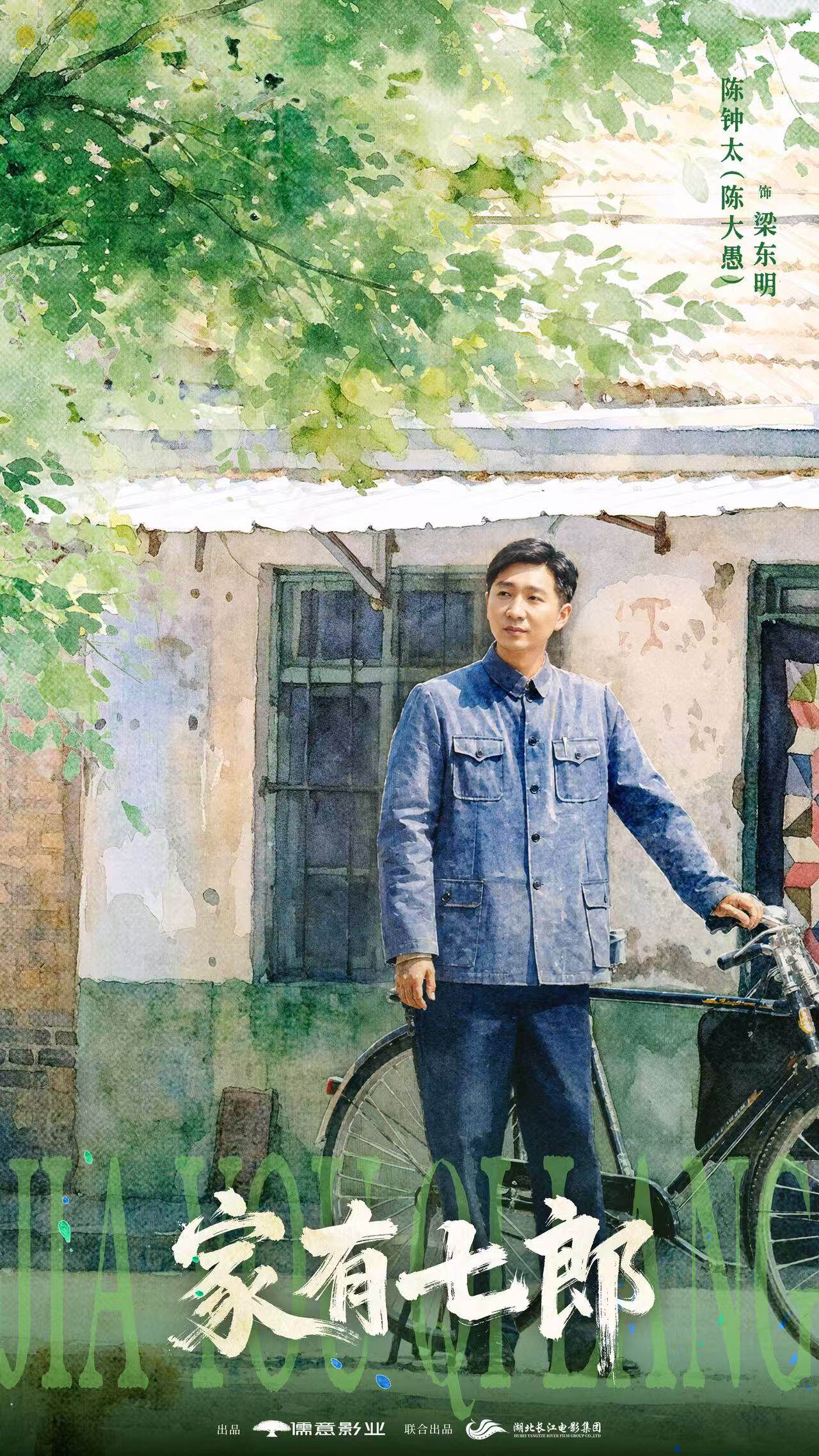
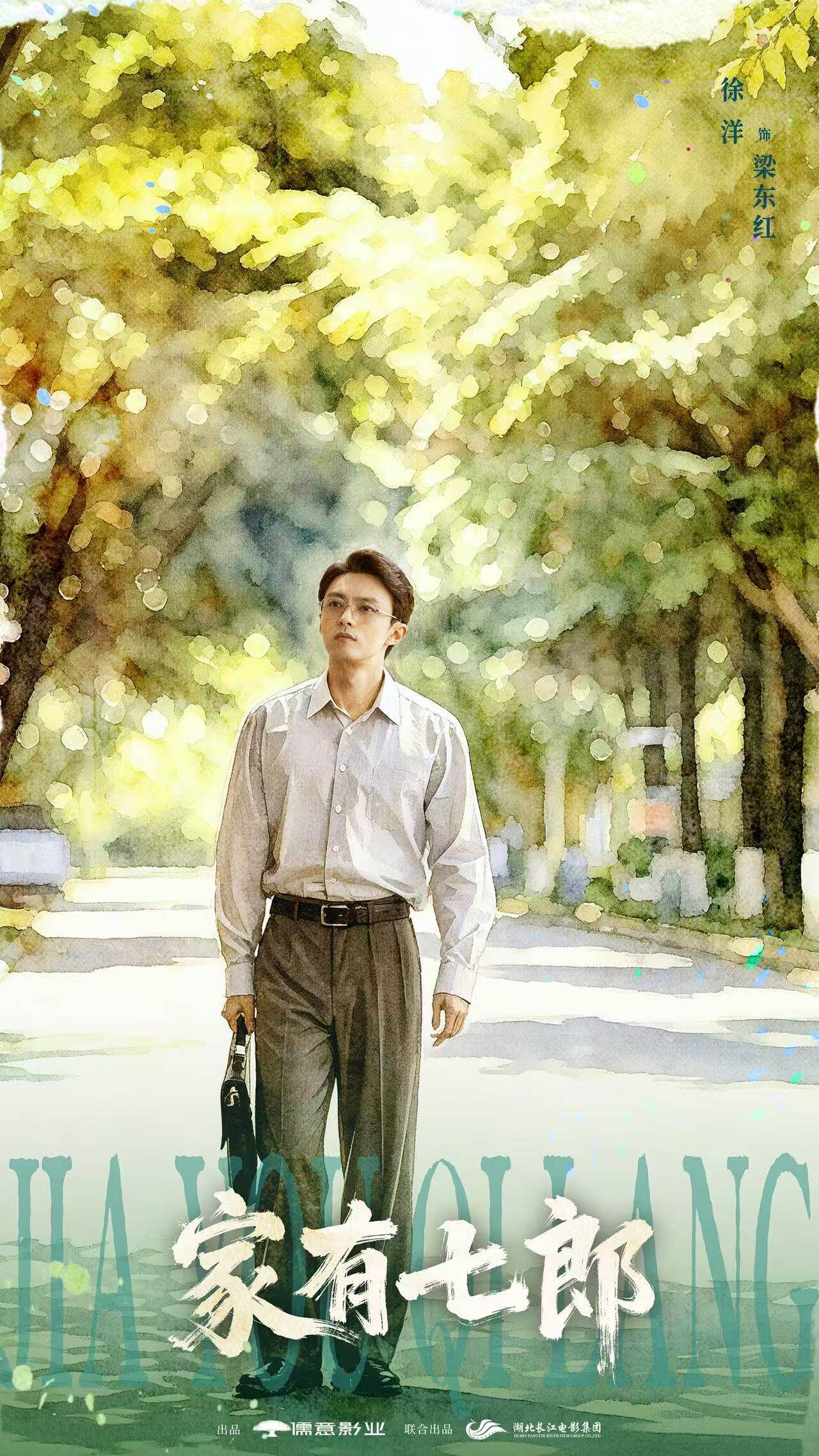
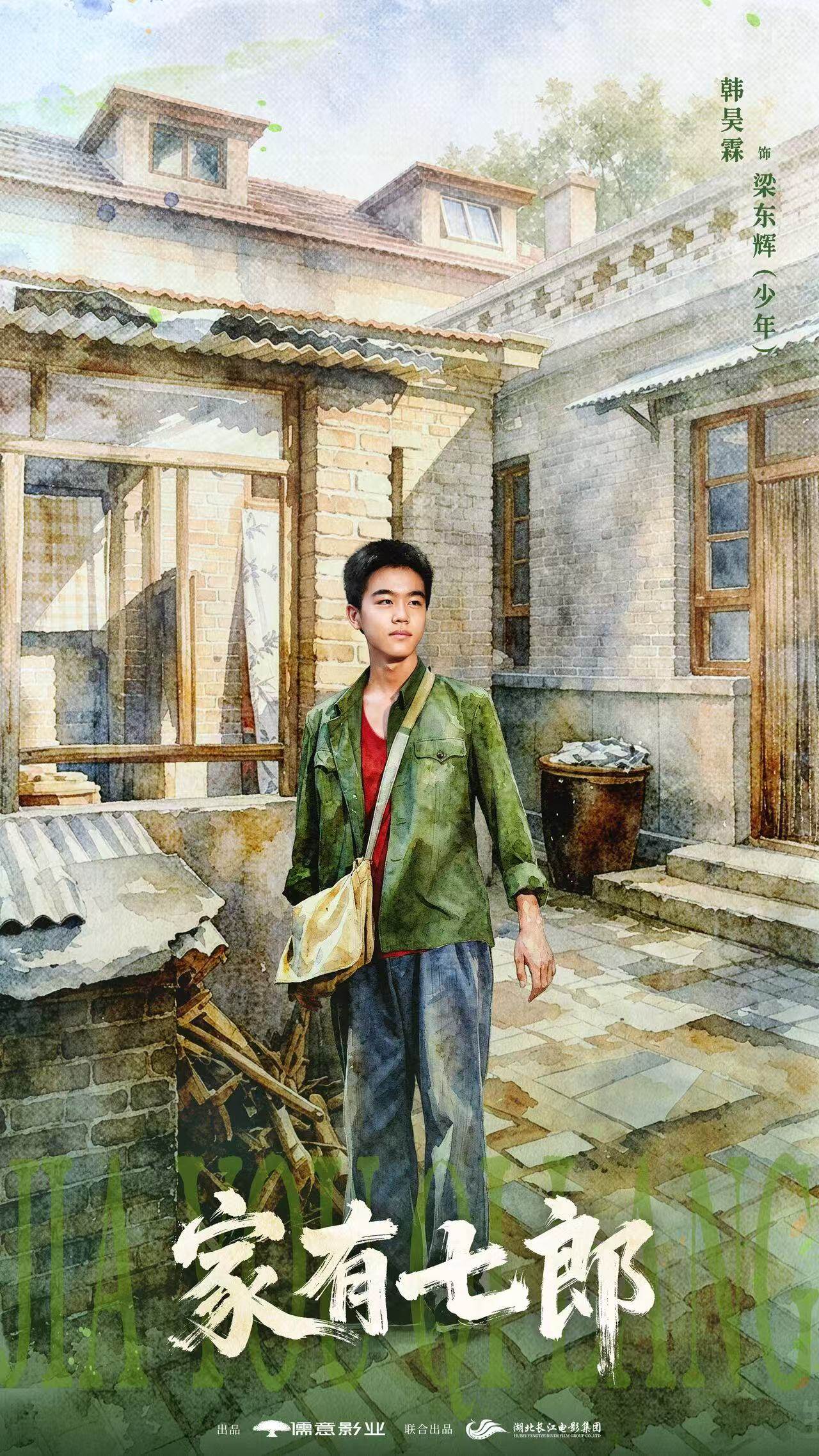
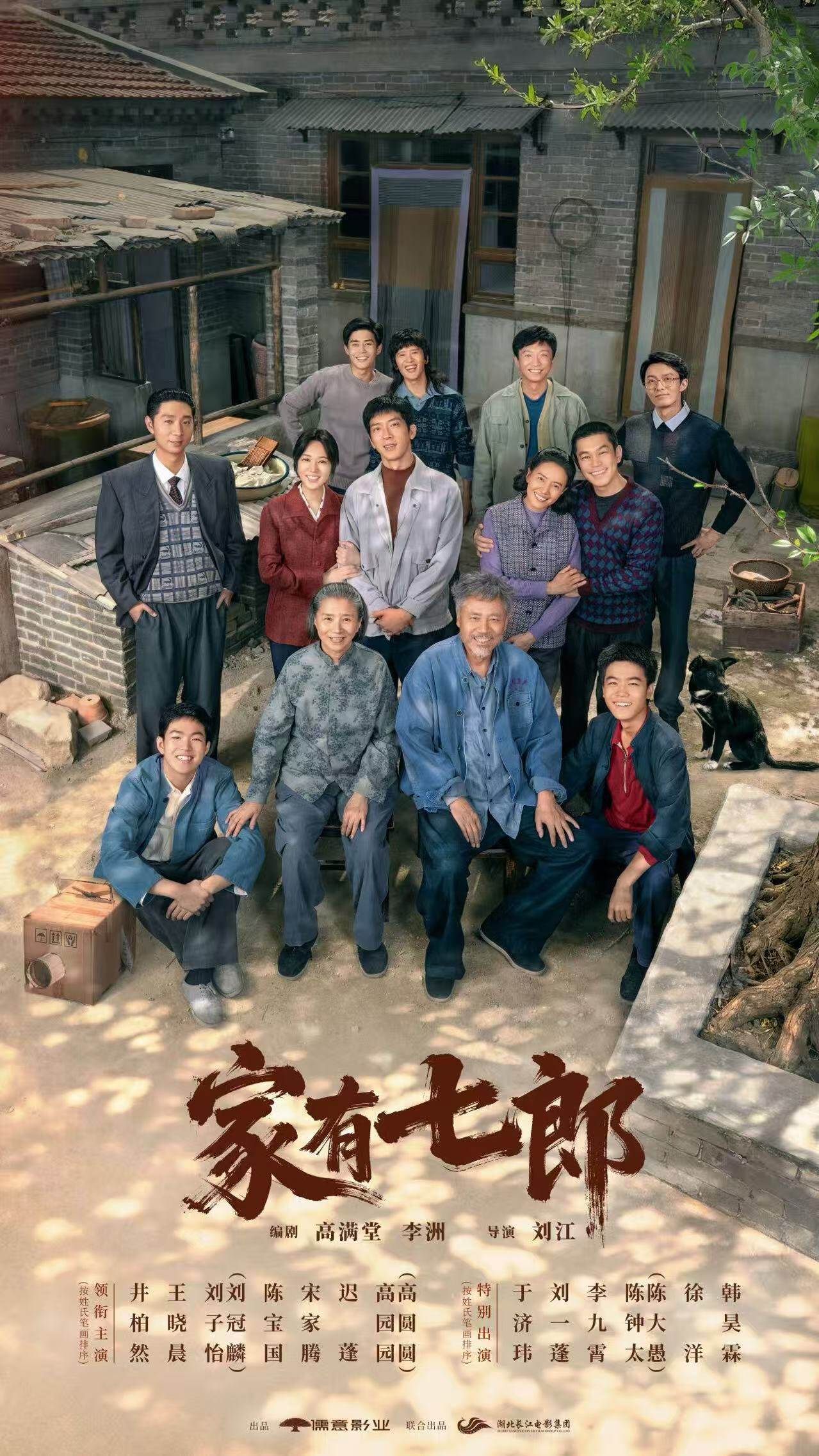
On July 22, the high-profile contemporary drama "Family Youshilang" officially announced its completion. The play is produced by the owner of Ruyi Film, written by famous screenwriters Gao Mantang and Li Zhou, directed by gold medal director Liu Jiang, and starred by Jing Boran, Wang Xiaochen, Liu Ziyi (Liu Guanlin), Chen Baoguo, Song Jiateng, Chi Peng, and Gao Yuanyuan (Gao Yuanyuan). Yu Jiwei, Liu Yipeng, Li Jiuxiao, Chen Zhongtai (Chen Dayu), Xu Yang and Han Haolin starred in special performances. This sincere work that spans 40 years and depicts the changes of the family in China has finally been successfully completed after more than 4 months of careful polishing and is about to enter the post-production stage. Previously, the Television Drama Department of the State Administration of Radio, Film and Television went to the crew for investigation and discussion, and clearly proposed that the creation of realistic themes should closely follow the four-word principles of "root, warmth, truth and newness". The entire creative team used this as a creative yardstick throughout the entire process, striving to create a reality that can stand the test of the times. A benchmark masterpiece on themes.
The golden team of Chinese opera reunites after seven years **, *** All strength groups anchor the quality base
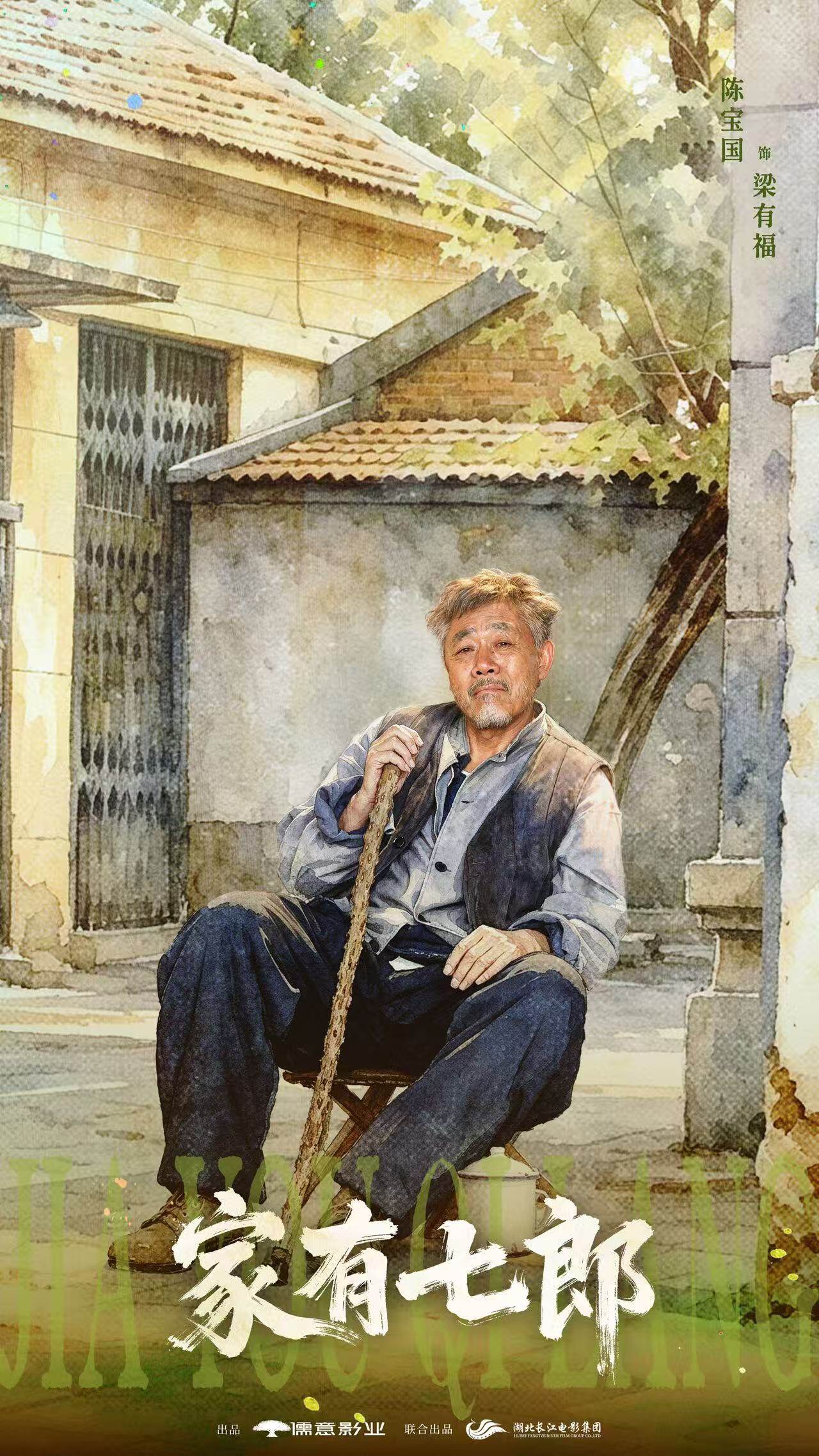
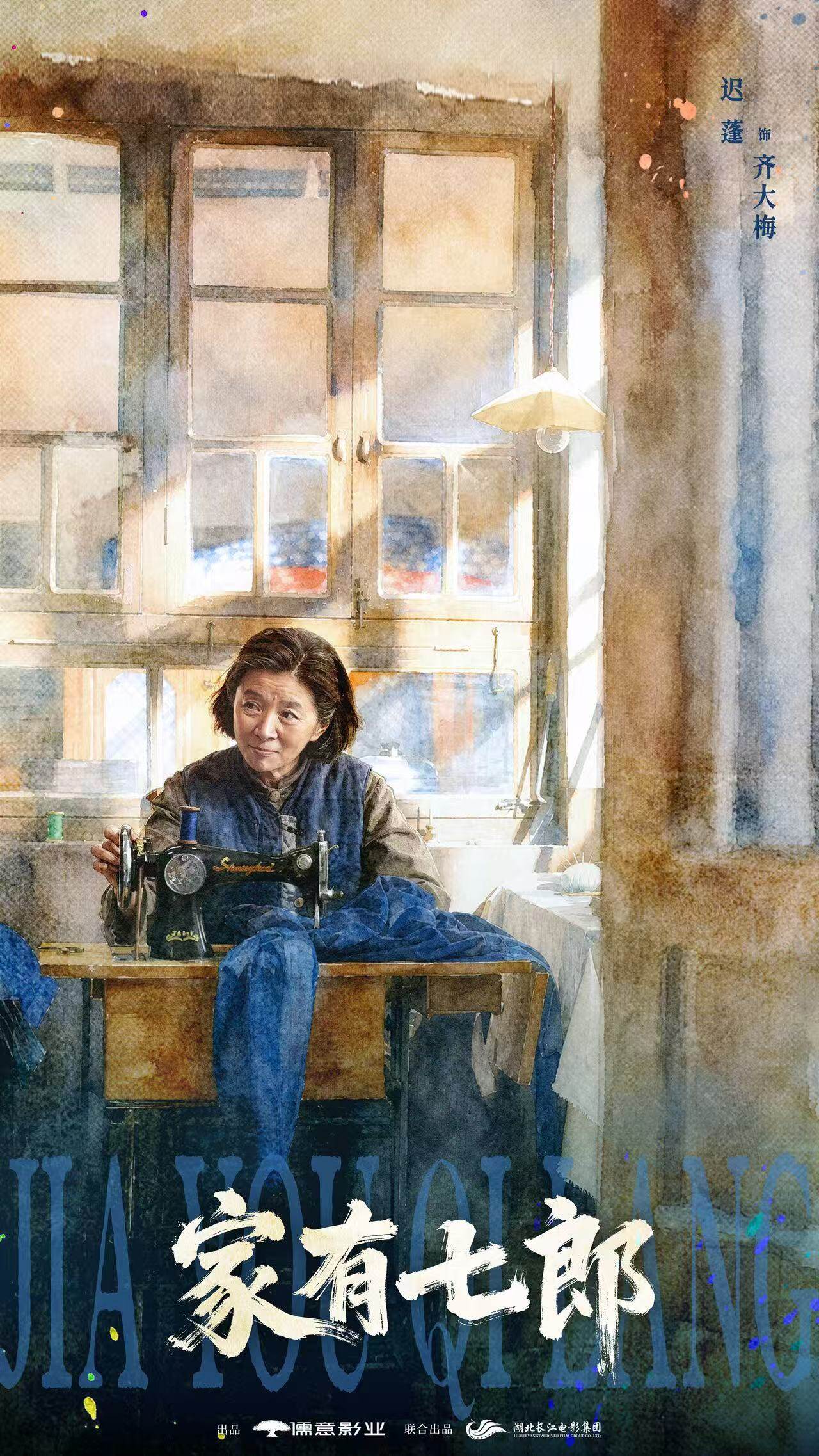
"Family with Qilang" gathers the industry's recognized "top contemporary themes and creators". The screenwriter Gao Mantang has been deeply involved in civilian narratives for more than 40 years. Classic works such as "Breaking the East","Old Tavern" and "Family with Nine Phoenix" are household names. This time, the shift from "Jiufeng" to "Qilang" after a lapse of twenty years is not only a change in numbers and gender, but also a vivid chronicle of China families moving from collective survival to individual development. Director Liu Jiang holds realistic and emotional masterpieces such as "The Beautiful Times of Daughter-in-Law" and "Let's Get Married", and is good at tapping the inner temperature of characters in the atmosphere of fireworks. He and Gao Mantang joined hands again after "Old Tavern", and with Chen Baoguo's heavy participation, they formed a recognized "golden triangle of contemporary dramas" in the industry. It is worth mentioning that Chen Baoguo is the first male actor in the history of China's TV drama to achieve the "Double Circle Grand Slam". This time, he plays his father Liang Youfu, a "China" backbone who seems arbitrary but affectionate. Cooperating with him as a couple is Chi Peng, who has just won the Magnolia Award for Best Supporting Actress at the 31st Shanghai TV Festival. She will interpret Qi Damei, the mother of the family who has been selfless and gentle in her life. The collision between the two actors has undoubtedly laid a rock-solid foundation for the quality of the series.
Jing Boran and Gao Yuanyuan break through the boundaries of acting skills , **"* De-halation"*** De-Halo " Interpret the little people **
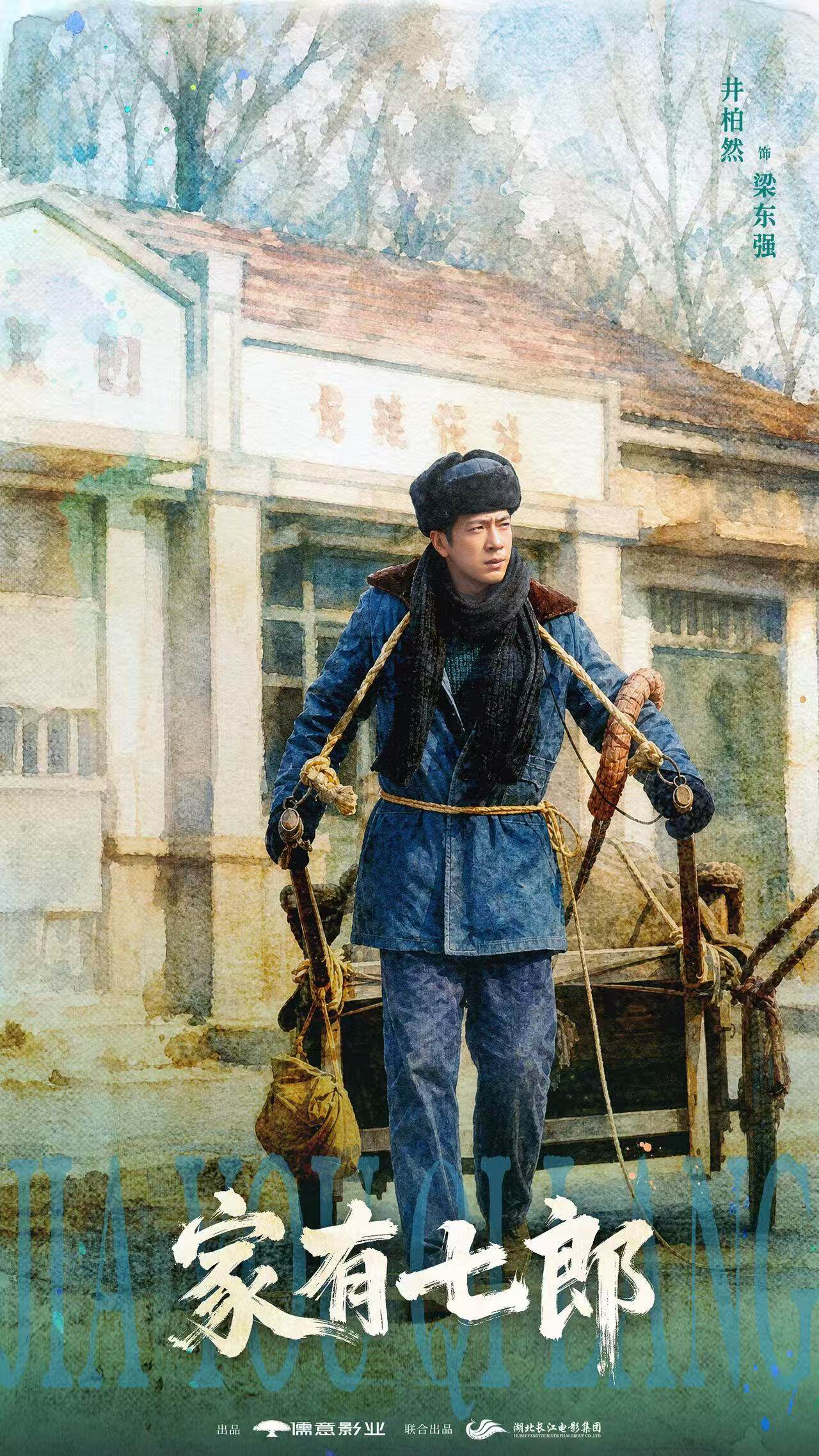
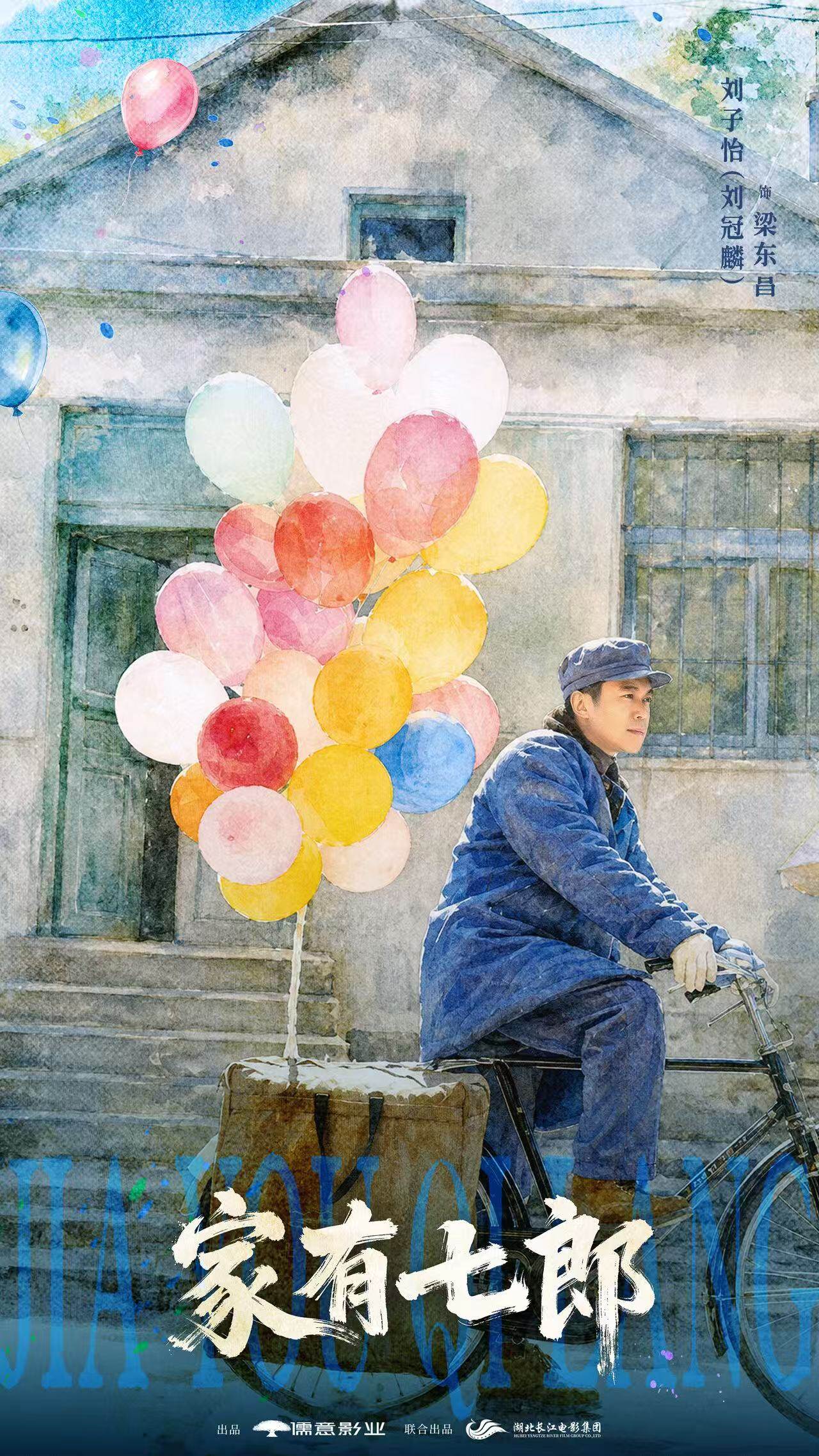
In addition to the powerful seniors sitting in town, the cast of the show is also very subversive and fresh in casting. Jing Boran challenged the family drama of the era for the first time, shedding his previous refined and elegant screen aura, and playing the silent but affectionate "Silang" Liang Dongqiang. This character gives up personal happiness in order to take care of his sick second brother. He is a low-level person full of "a sense of wear and tear in life." Judging from the exposed style, Jing Boran's image transformation was eye-catching, and his contrasting performance was also regarded as a big surprise in the play.
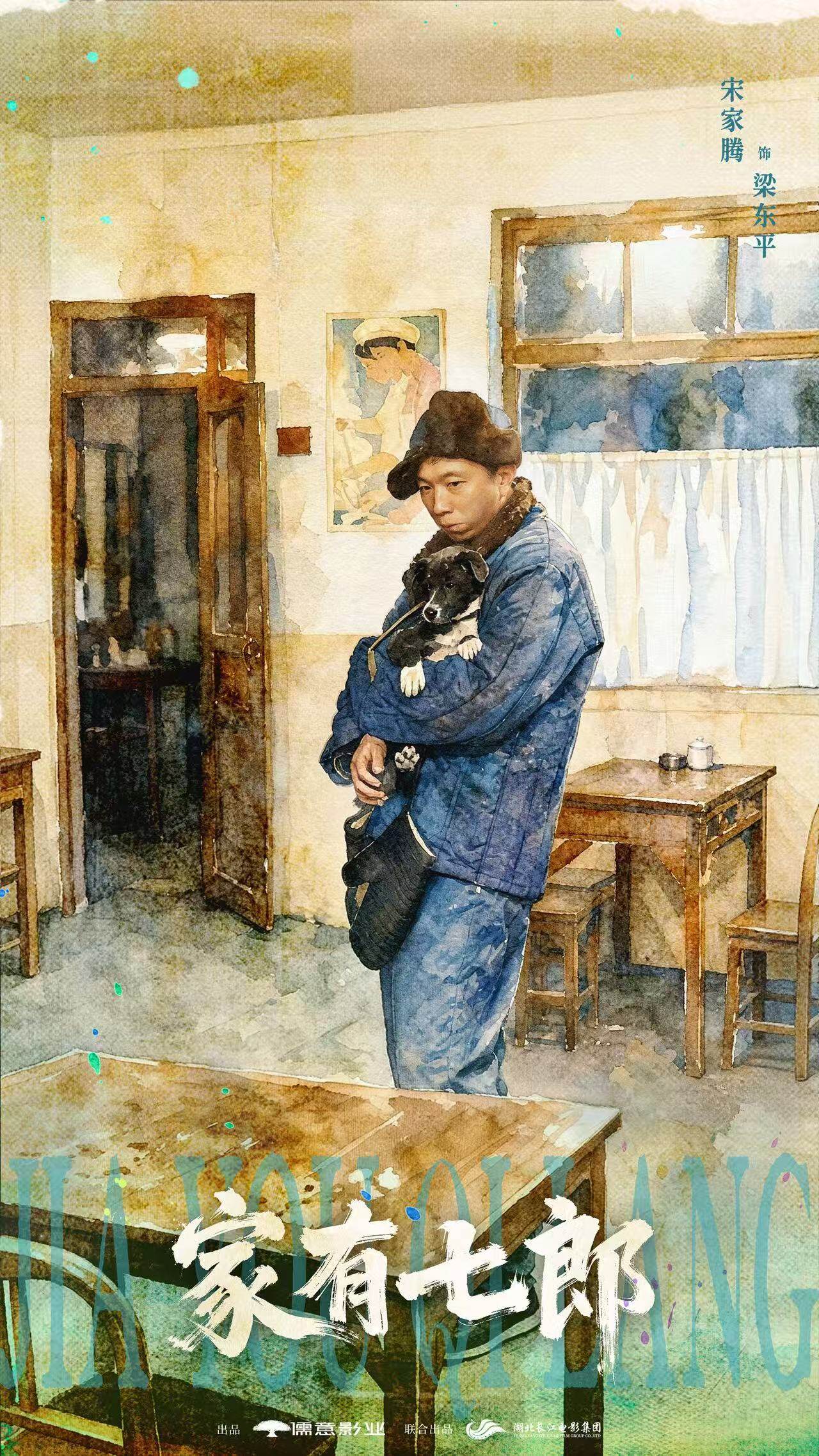
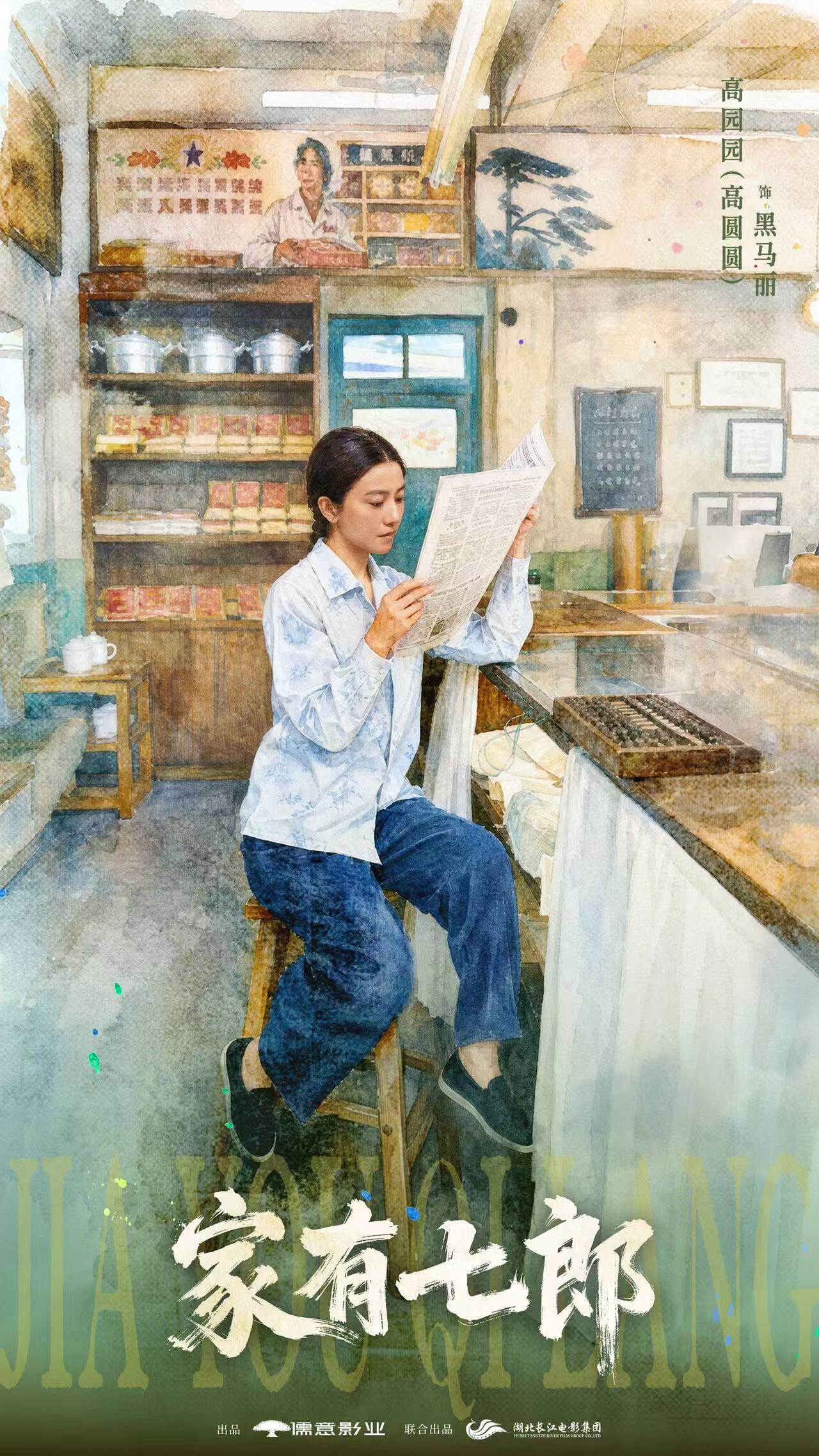
Also breaking the inherent label is Gao Yuanyuan. The actress, who has been deeply rooted in the image of a city goddess all the year round, first set foot in the family group drama of the era, playing Liang Da's daughter-in-law, Black Ma Li. She looks fierce and tough, stubborn and soft-hearted, but she supports the whole small family with survival wisdom. For this role, Gao Yuanyuan in the performance of the corresponding design and adjustment, this subversive interpretation, for the play added important points. In addition, Song Jiateng, a "professional villain", subversively starred in Liang Er, who was half-crazy but half-awake but retained his heart. Wang Xiaochen, Liu Ziyi (Liu Guanlin), Song Jiateng, Yu Jiwei, Liu Yipeng, Li Jiuxiao, Chen Zhongtai (Chen Dayu), Xu Yang, Han Haolin and other powerful actors also broke through themselves, accurately interpreting seven brothers and other family members with different personalities, and jointly weaving a vivid and three-dimensional picture of the times. Let the Weicheng Happiness Courtyard in the story be full of real life.
Seven children and seven colors compose an epic of family group portraits under the changes of China society
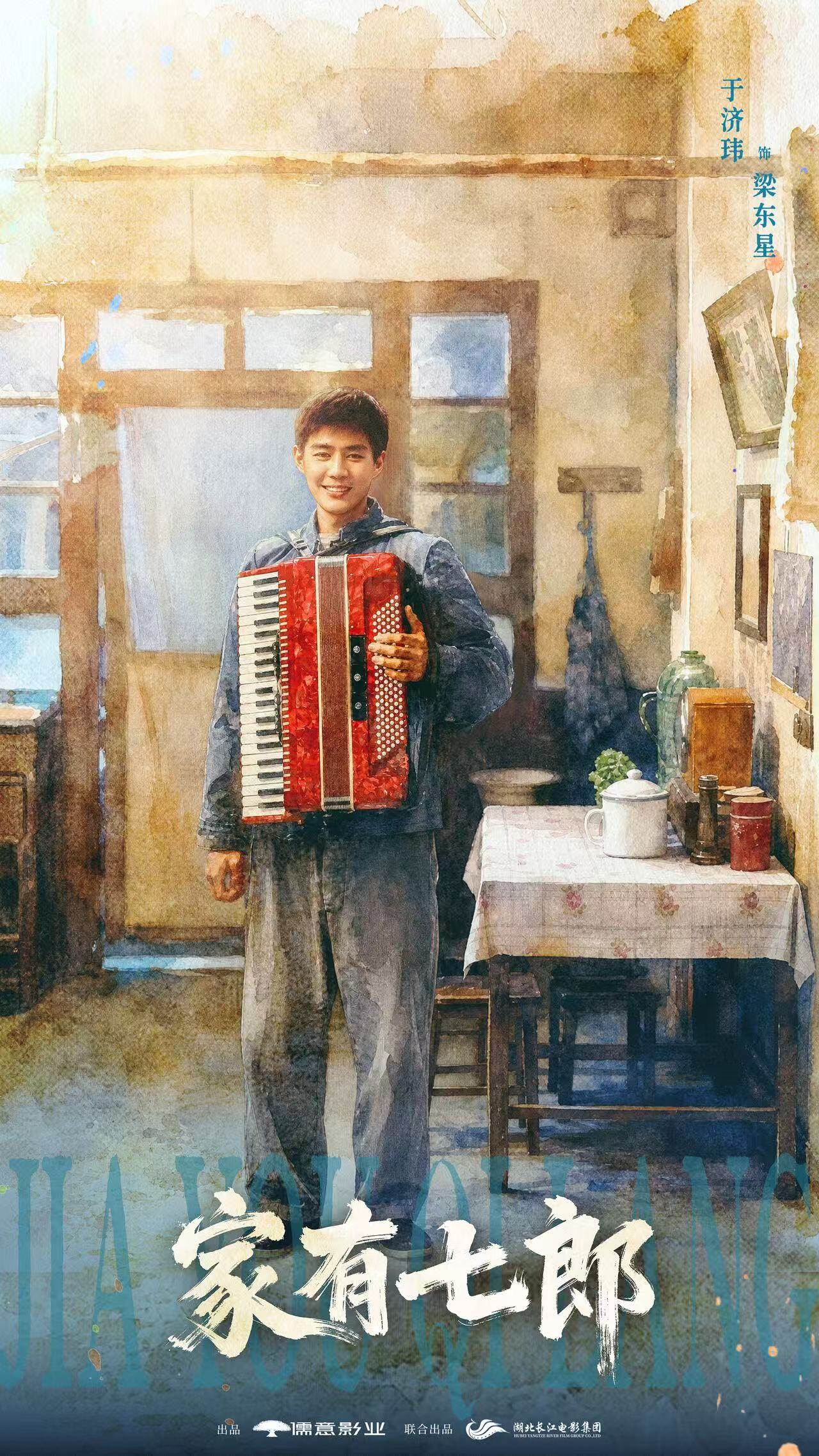
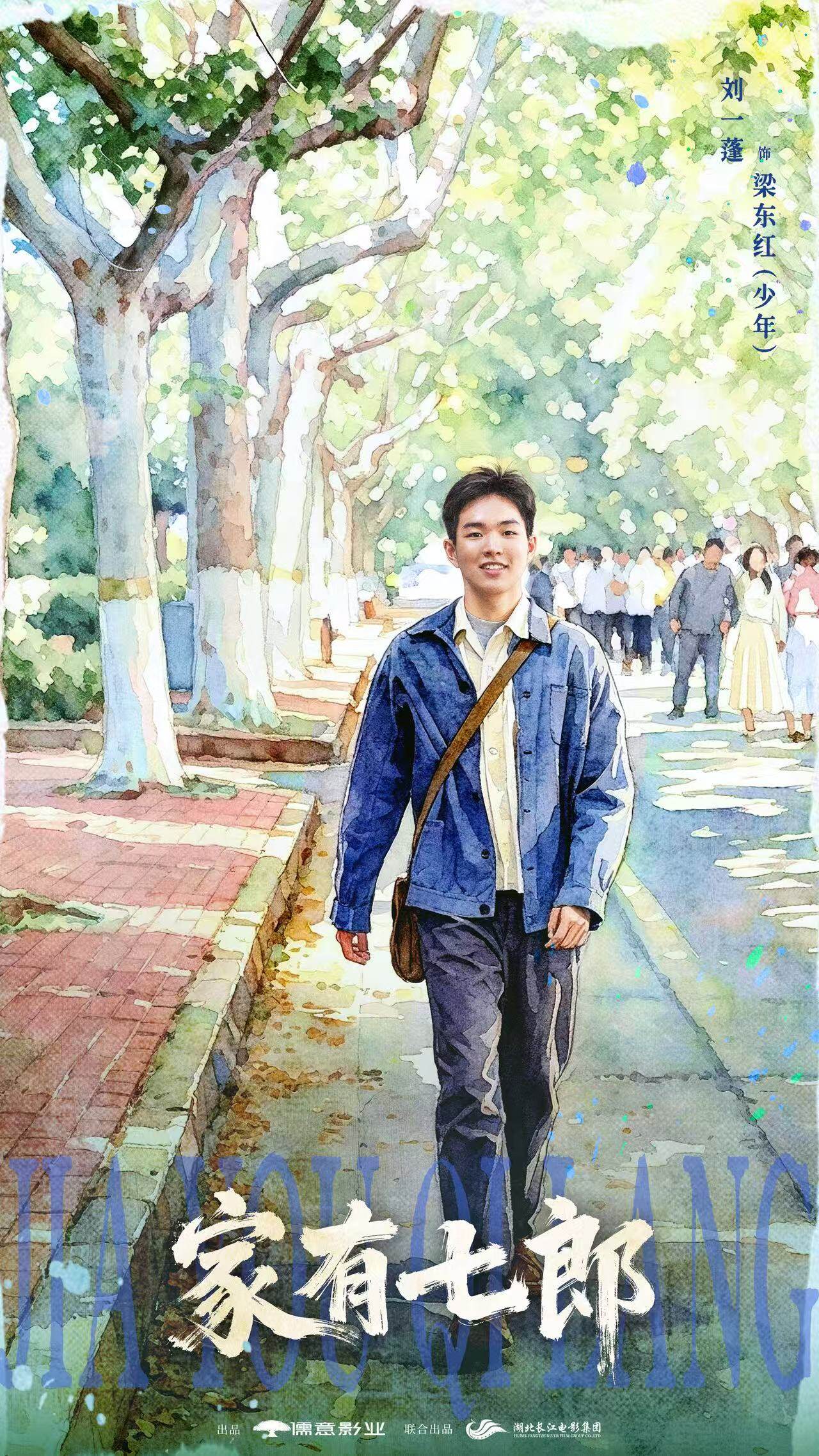
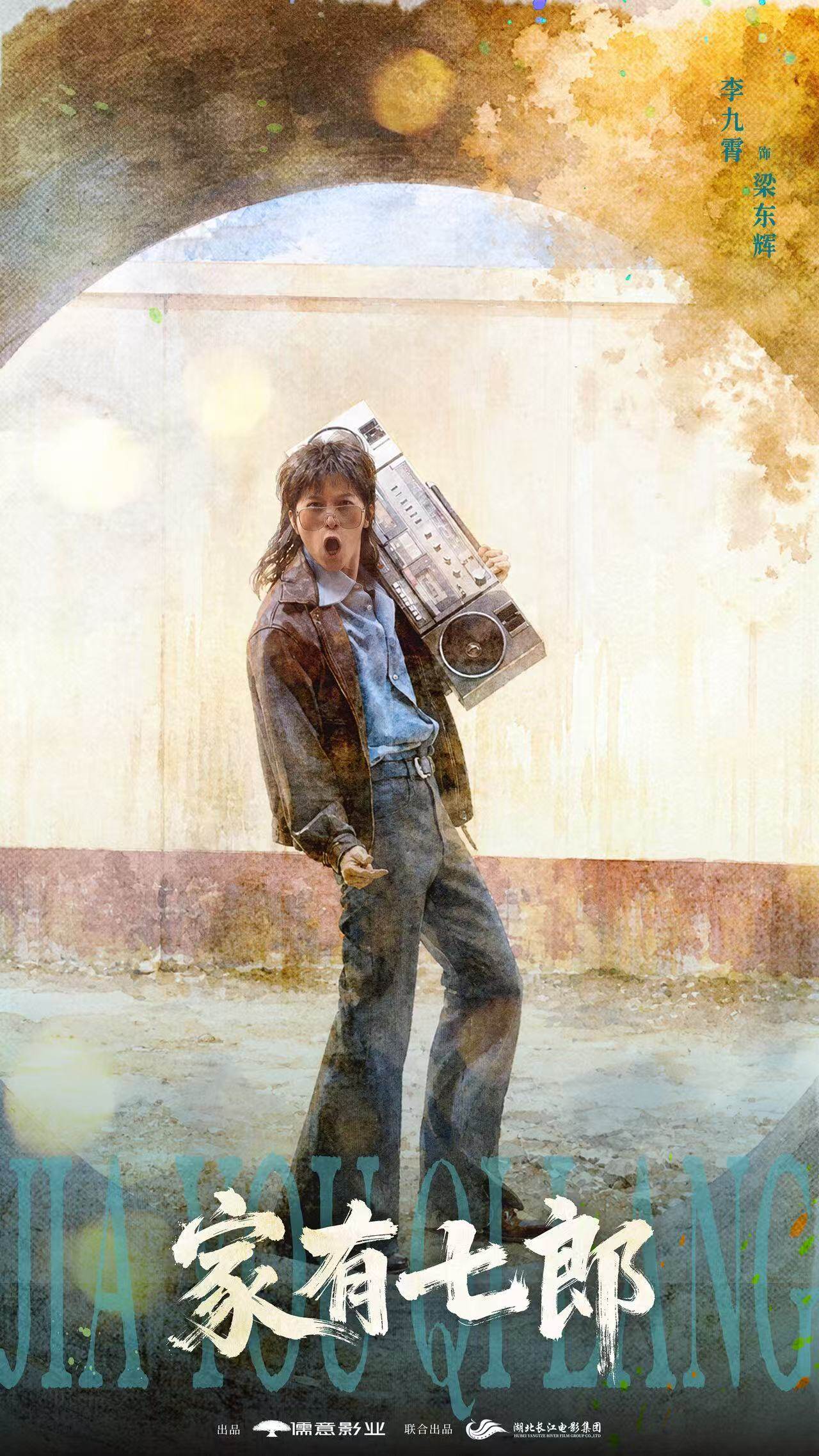
The series breaks with the traditional narrative of chronicles focusing on their fathers, and uses the ultimate setting of "there are seven sons in the family" to creatively target the camera at the seven sons, creating seven characters with completely different destinies. The eldest brother, Liang Dongchang, is honest and cowardly, but loves his brothers; the second brother, Liang Dongping, has become the concern of the whole family due to illness; the third brother, Liang Dongming, is smart and scheming, and has been floating in the officialdom and business world; the fourth brother, Liang Dongming, is strong in upholding justice and sacrificing himself to take care of his brother; the fifth brother, Liang Dongxing, was obsessed with literature and art, and was finally admitted to the Literary and Art Corps, changing his destiny; the sixth brother, Liang Donghong, is a favored son, but struggles between principle and family; the seventh brother, Liang Donghui, is a wild and difficult to tame, and is a" problem boy" of the Liang family.
These seven life trajectories are intertwined into a picture of decades of changes in China society. From planned economy to market economy, from educated youth going to the countryside to resuming college entrance examination, from the rise of self-employed households to the trend of doing business in the sea, the fate of the seven sons of the Liang family is closely linked to the tide of the times. Some of them stick to their principles, some go astray, some sacrifice for their families, and some turn against each other for interests. Through the joys and sorrows of this small family, the series reflects the magnificent scenery of the great era and explores how individuals choose, persist and grow in the torrent of the times.
As the screenwriter Gao Mantang said: "The practical significance expressed in" Family There are seven sons "is to once again look back on the path our country and people have traveled and the tremendous changes that have taken place through real and vivid stories and characters. When 'lying flat' and 'rolling' have become the mantra of some people; when material wealth but spiritual anxiety has become a common symptom, we should look back and see how our fathers used almost primitive tenacity in an era of extreme material poverty., carry a home and pave the way for the next generation to 'go out'."
Visual evidence of the "true era", posters outline the fireworks in the happy courtyard
The materials released this time with the official announcement of the killing of the killing show a unique texture visually. Different from the depth and vicissitudes of traditional chronological dramas, the first family portrait poster restores the life texture of Weicheng Old City and Happy Courtyard in a nostalgic but warm tone. In the poster, two generations of the Liang family gather together, with different expressions. They not only have the warmth of the elderly and the young, but also exude the unique excitement and vitality of a family with many children. A black dog shuttles through them, adding a bit of fun to life.
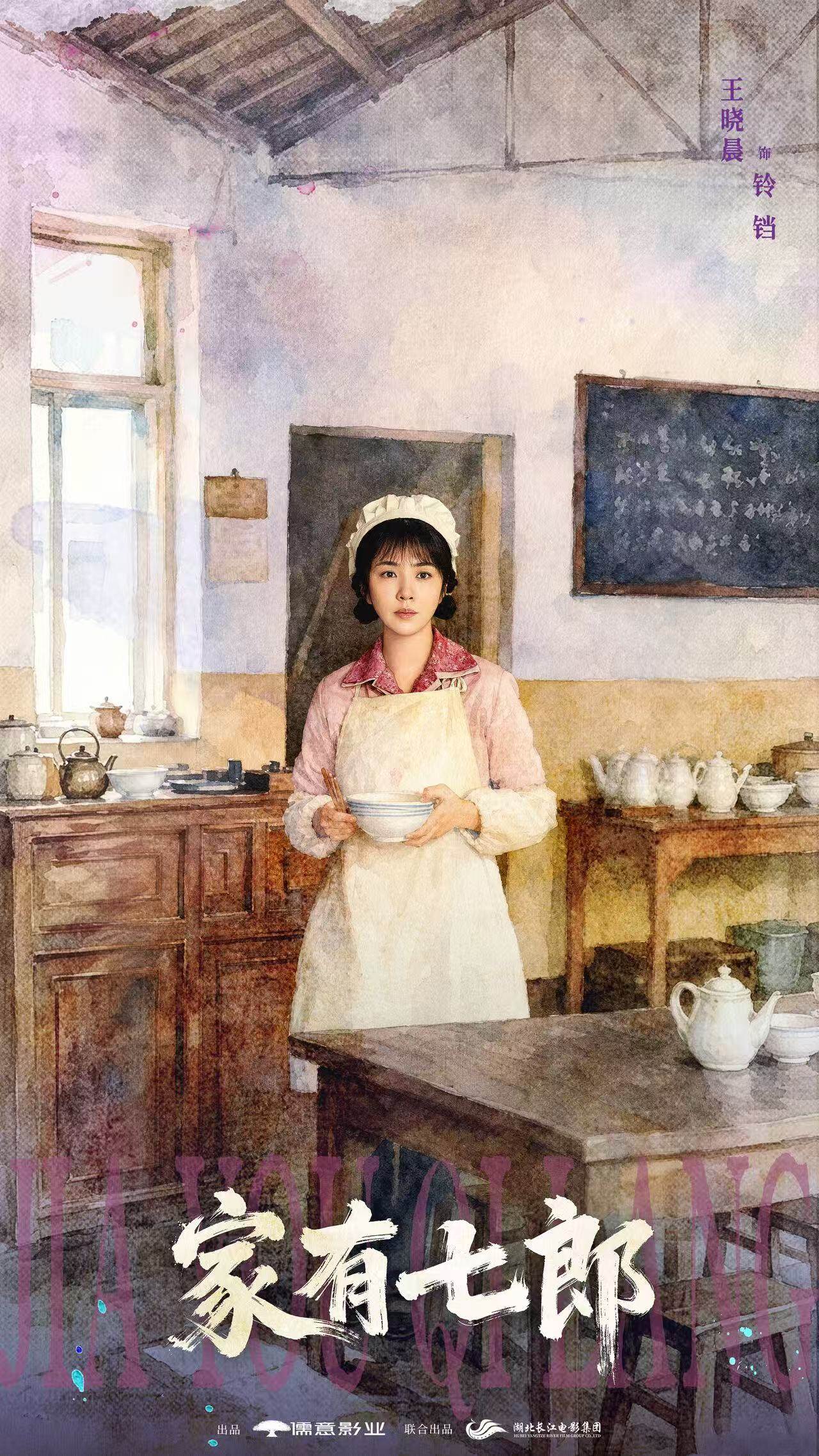
Synchronously exposed watercolor character posters are more artistic and ingenious. The poster adopts a watercolor hand-painted style, integrating the characters with scenes full of age: Liang Dongqiang, played by Jing Boran, is pulling a cart with tenacity in his eyes; Liang Youfu, played by Chen Baoguo, is sitting alone in the courtyard, holding a crutch and looking solemn; Hei Haili, played by Gao Yuanyuan, is reading a newspaper in front of the supply and marketing cooperative counter. She is simple but difficult to hide her delicate appearance; Chi Peng's mother Qi Damei is busy in front of a sewing machine with kind eyes. These posters not only accurately capture the character's character characteristics, but also reproduce the life picture of the 1970s and 1980s with delicate brushstrokes, such as old-fashioned bicycles, accordion, large bowls of tea and other details, instantly pulling people back to that time full of fireworks.
As the key drama of the year of Confucianism and Yi Pictures,"Family with Seven Men" continues the producer's consistent high-quality creation line. Previously, works such as "My Altay" and "Old Tavern" have achieved double reputation and ratings. The main creative team will continue to finely polish the four-character creation requirements of "root, warmth, truth, and new" put forward by the research and guidance of the TV drama department, firmly grasp the roots of China's excellent traditional culture, adhere to the creative concept of warm realism, and sincerely create, constantly innovate narrative techniques and expression voices, adapt to and guide the aesthetic preferences and viewing habits of young people, and make the long-term scroll of the 40-year era more infectious and communicable.
 白羊座
白羊座 金牛座
金牛座 双子座
双子座 巨蟹座
巨蟹座 狮子座
狮子座 处女座
处女座 天秤座
天秤座 天蝎座
天蝎座 射手座
射手座 摩羯座
摩羯座 水瓶座
水瓶座 双鱼座
双鱼座