
The movie "Four Crossing" recreates the battle in Loushanguan in real life and recreates the legend of the first victory in the Long March
As a blockbuster epic to commemorate the 90th anniversary of the victory of the Red Army's Long March, the major revolutionary historical film "Four Crossing" takes the Battle of F...
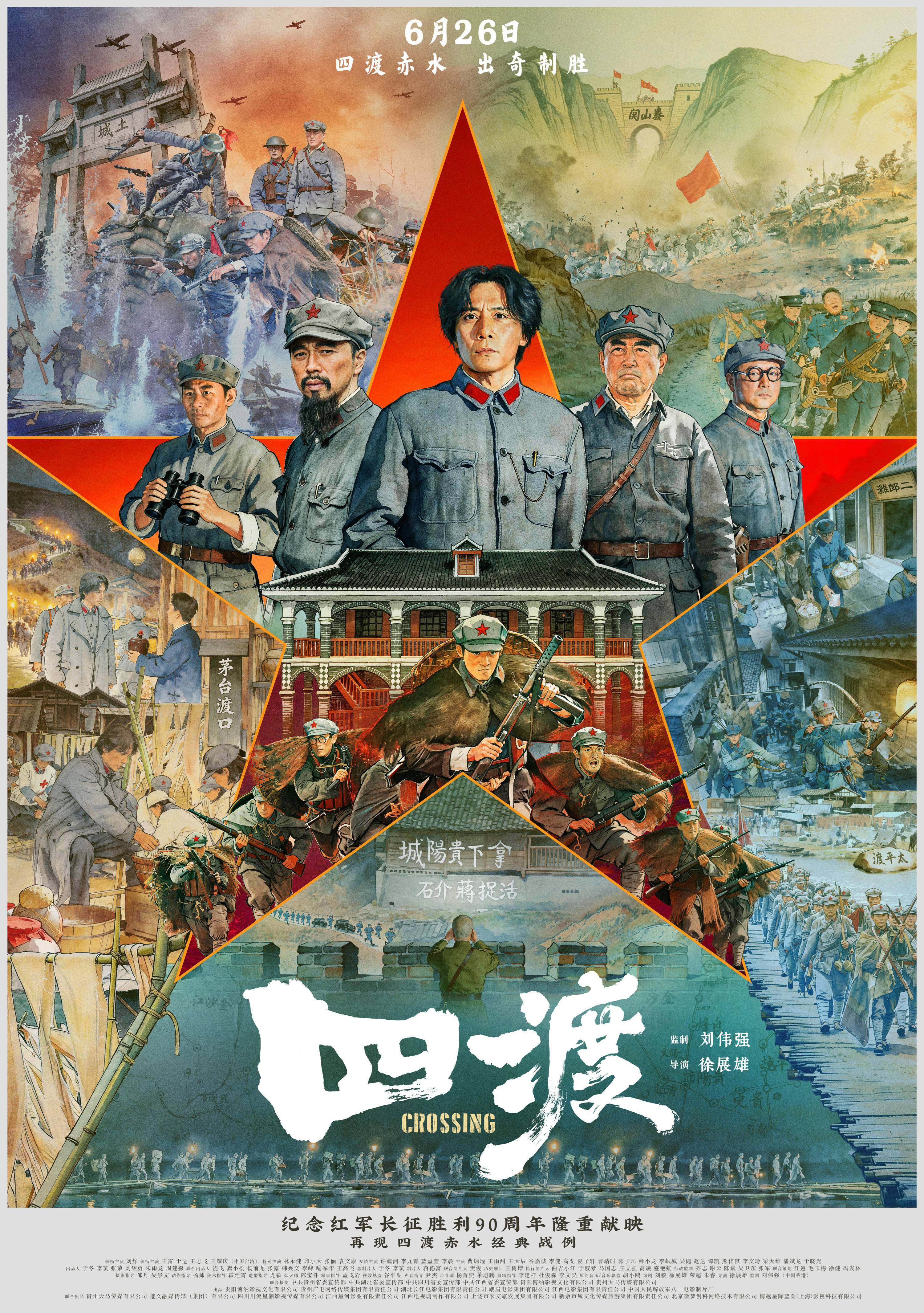
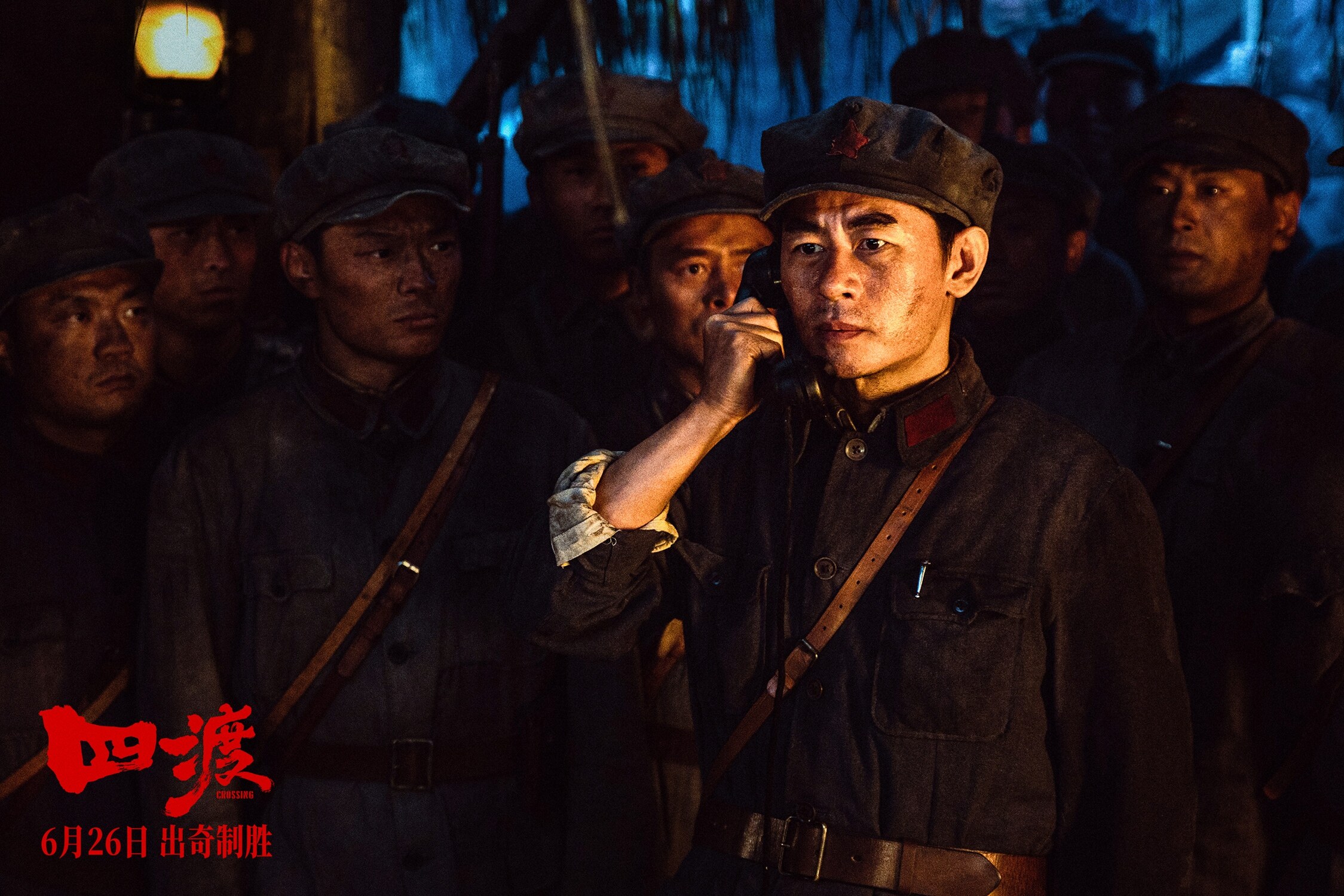
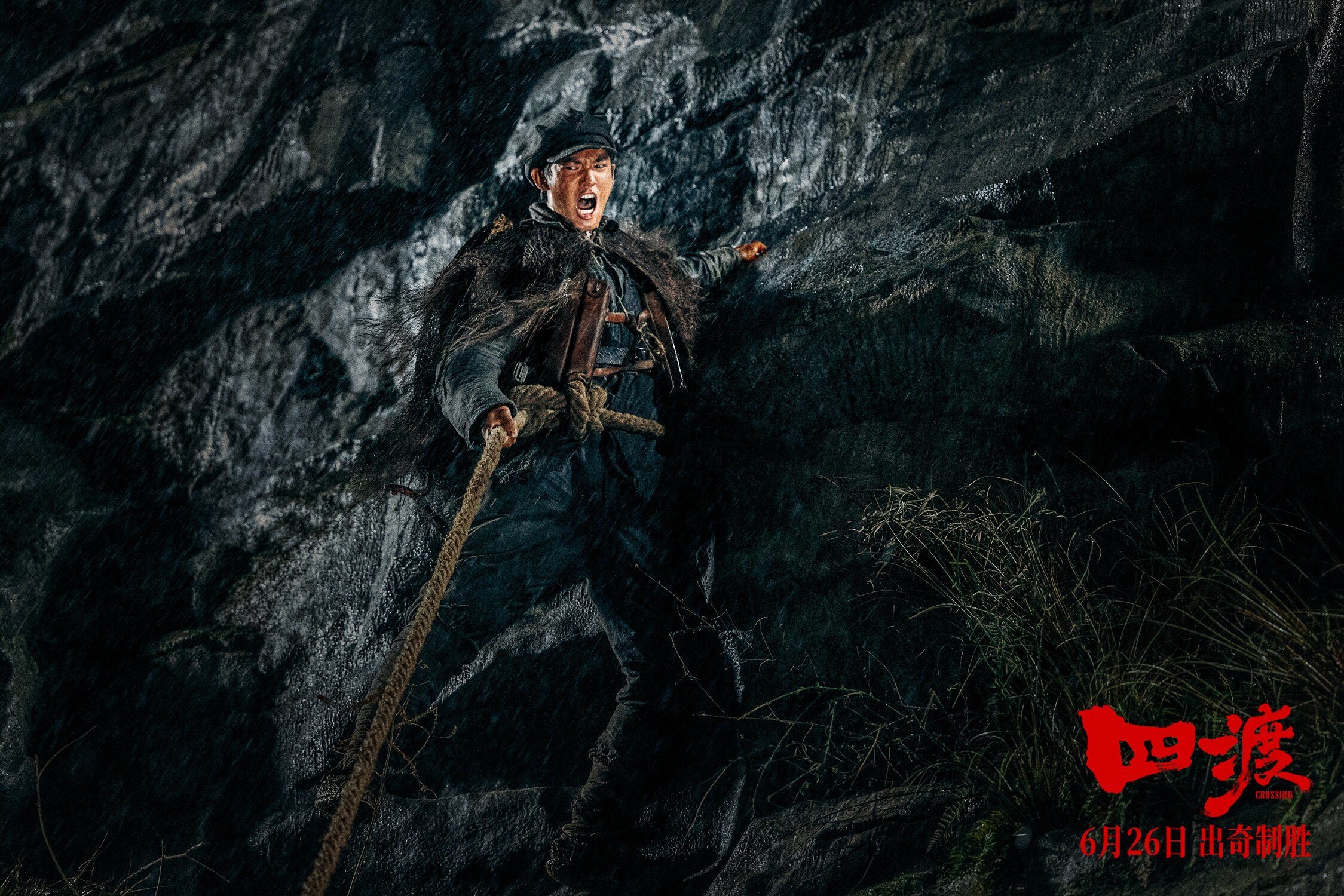
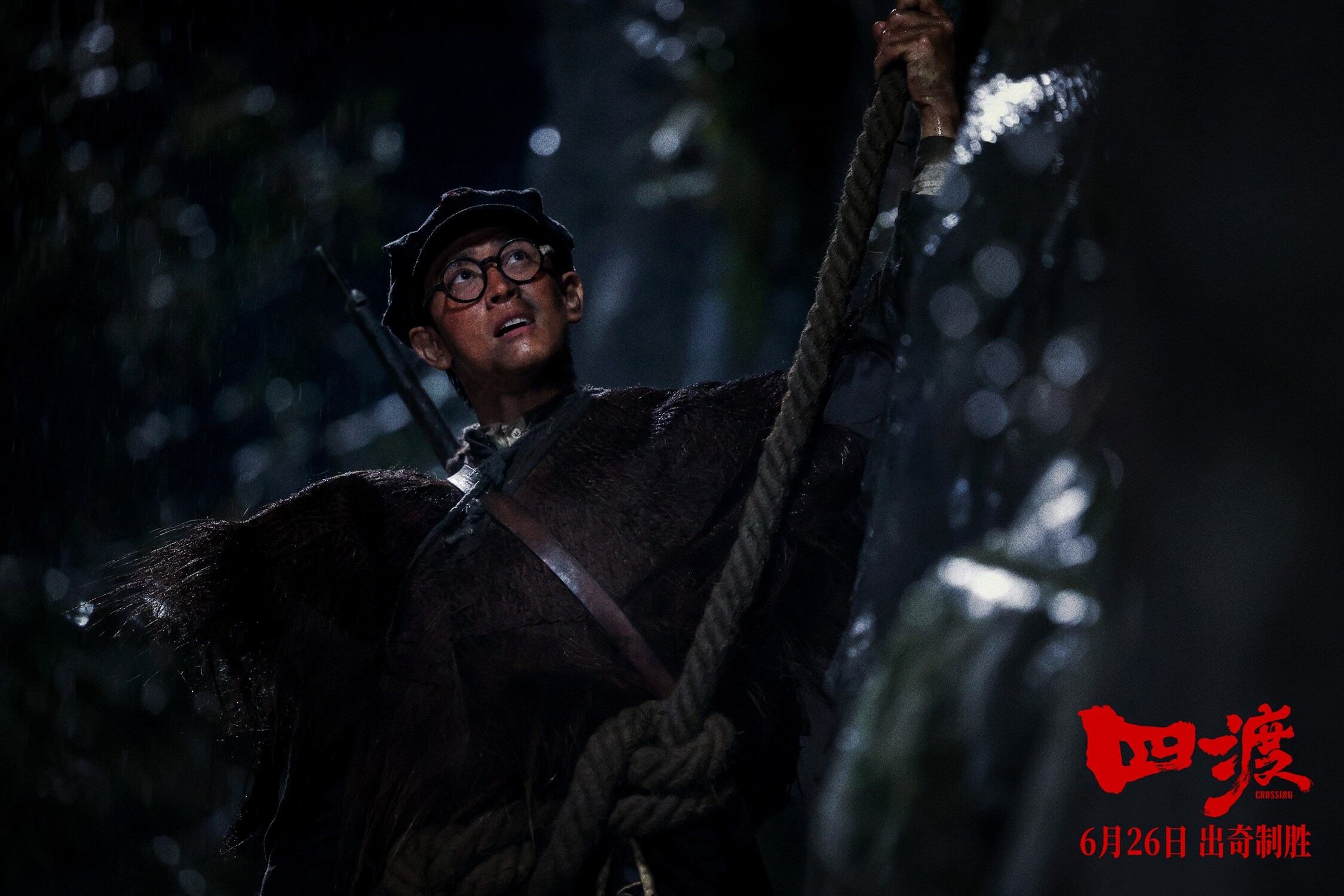
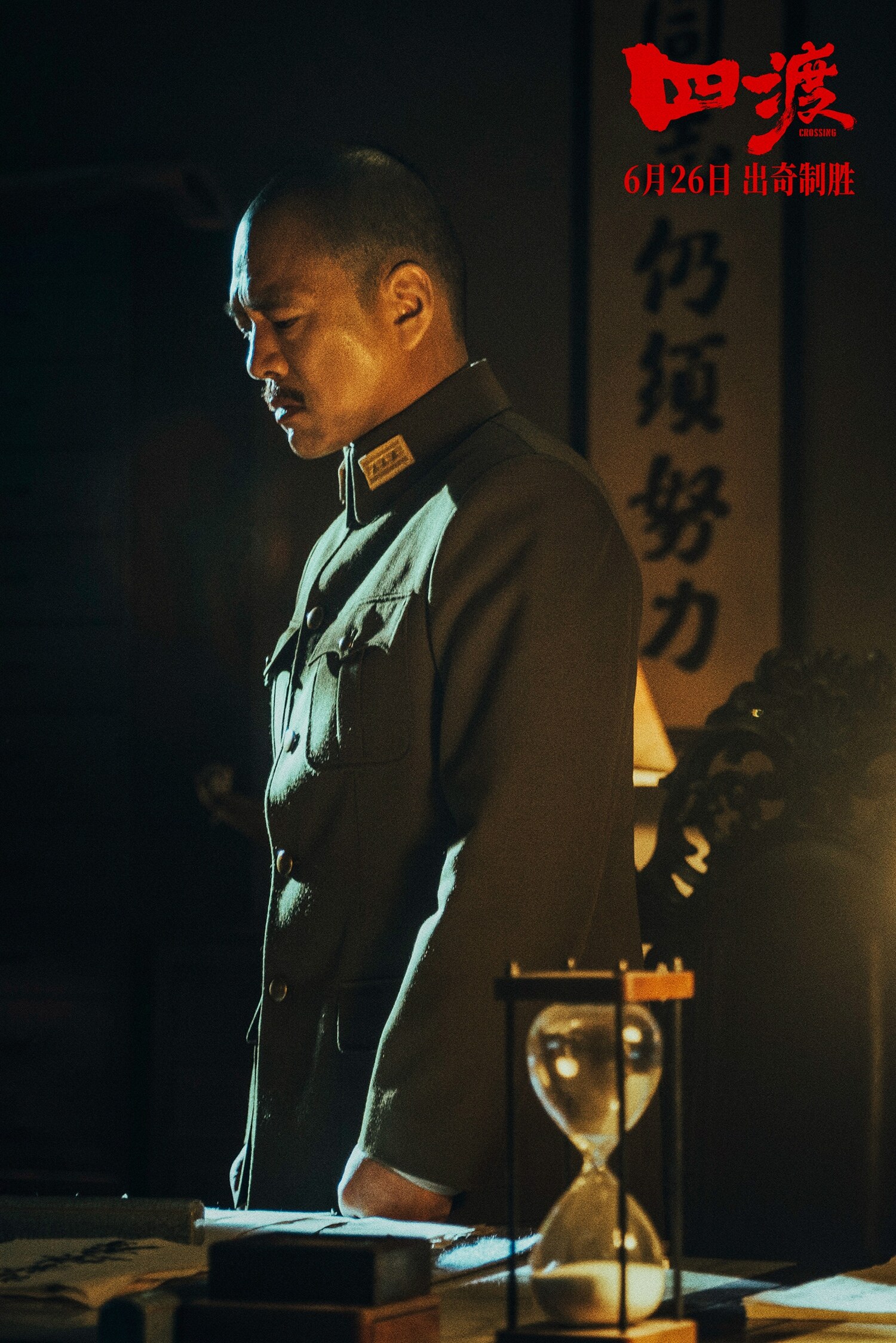
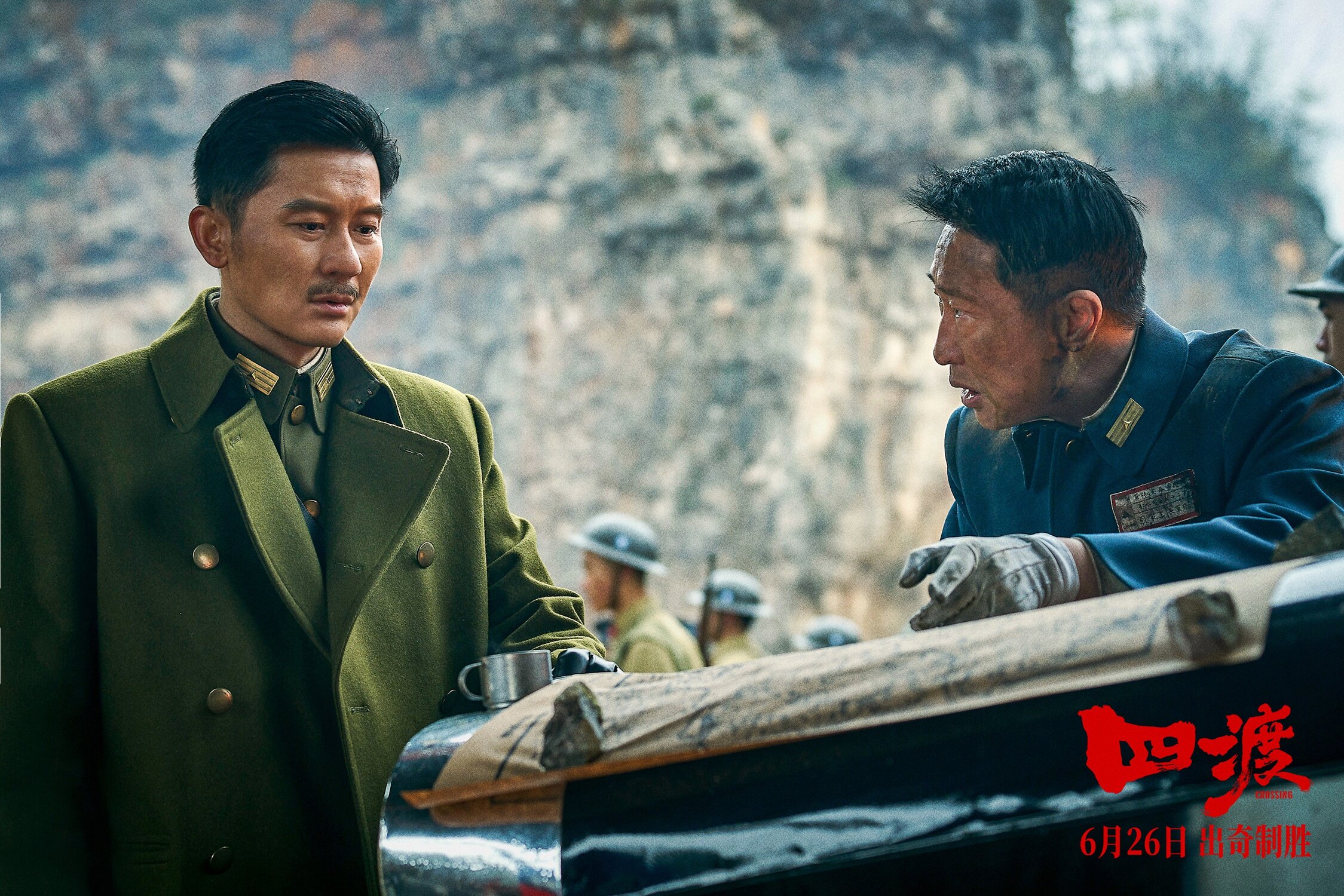
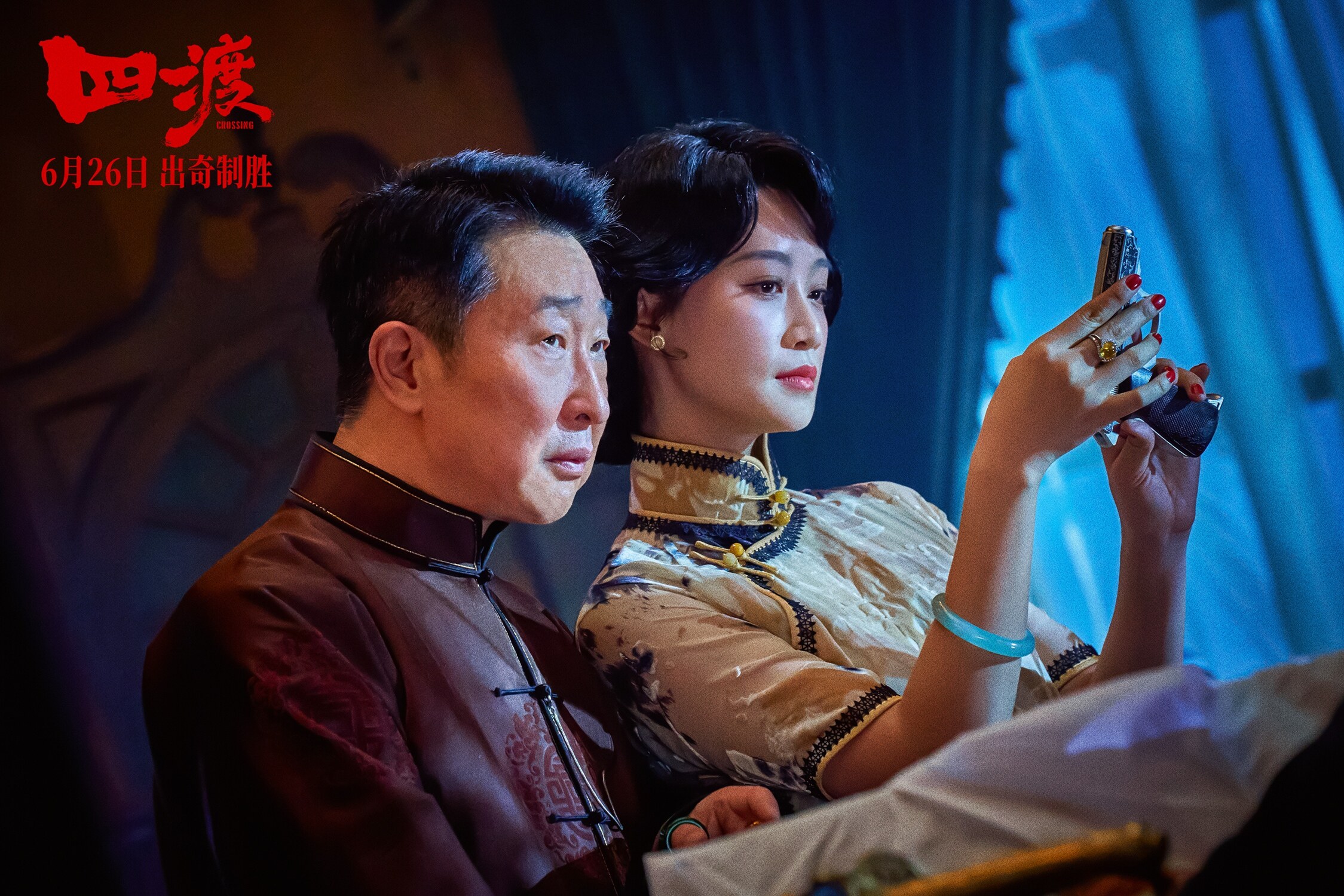
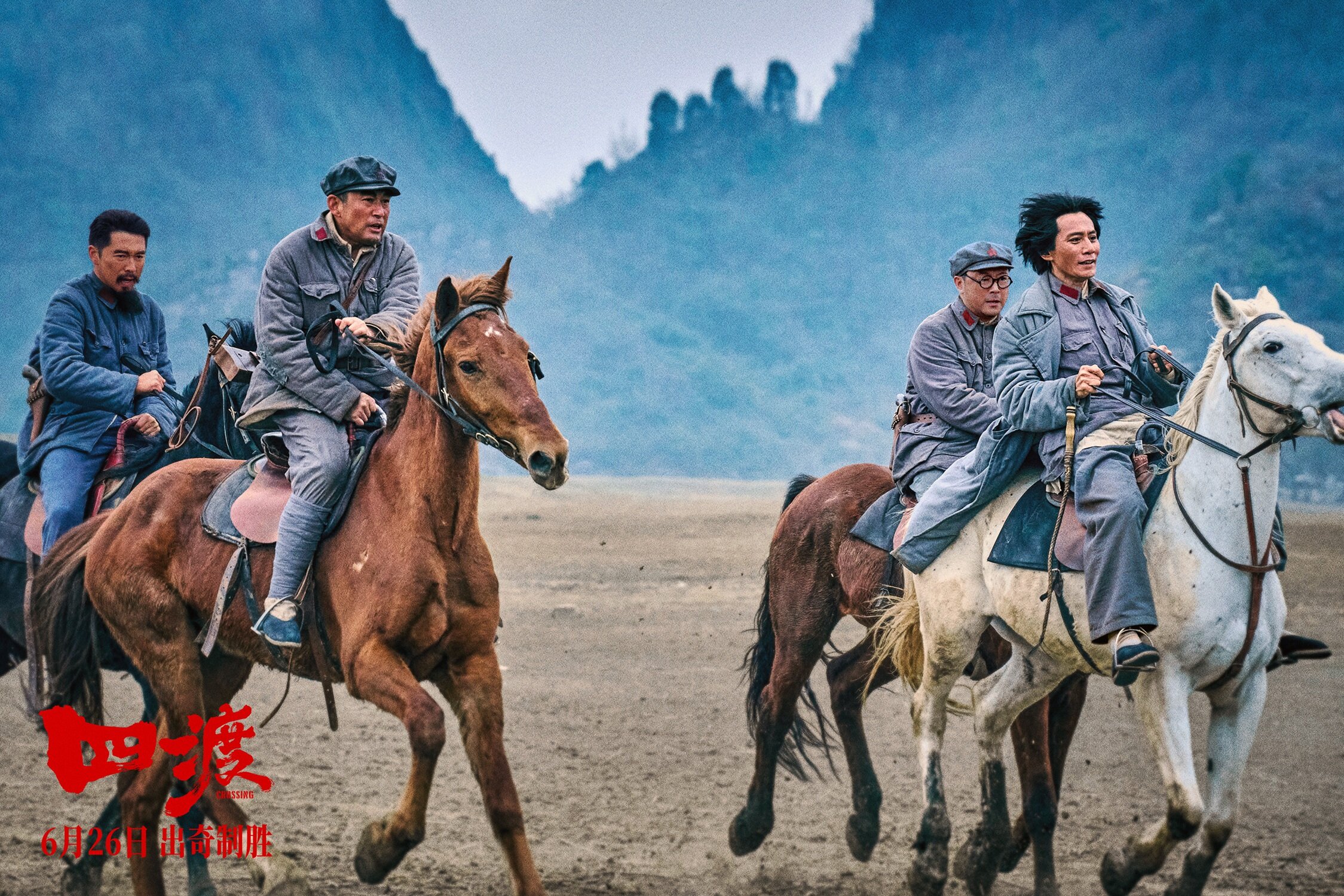
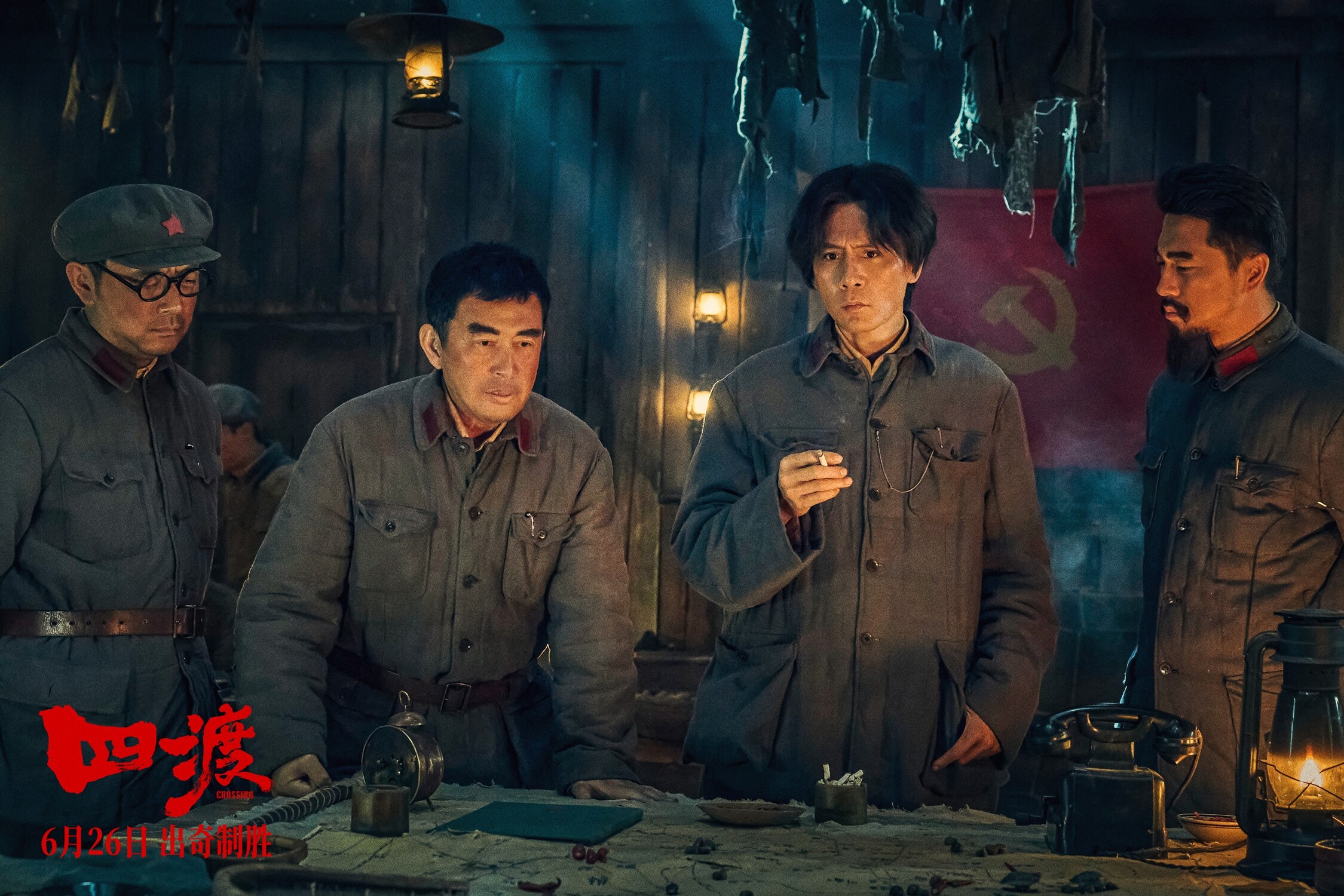
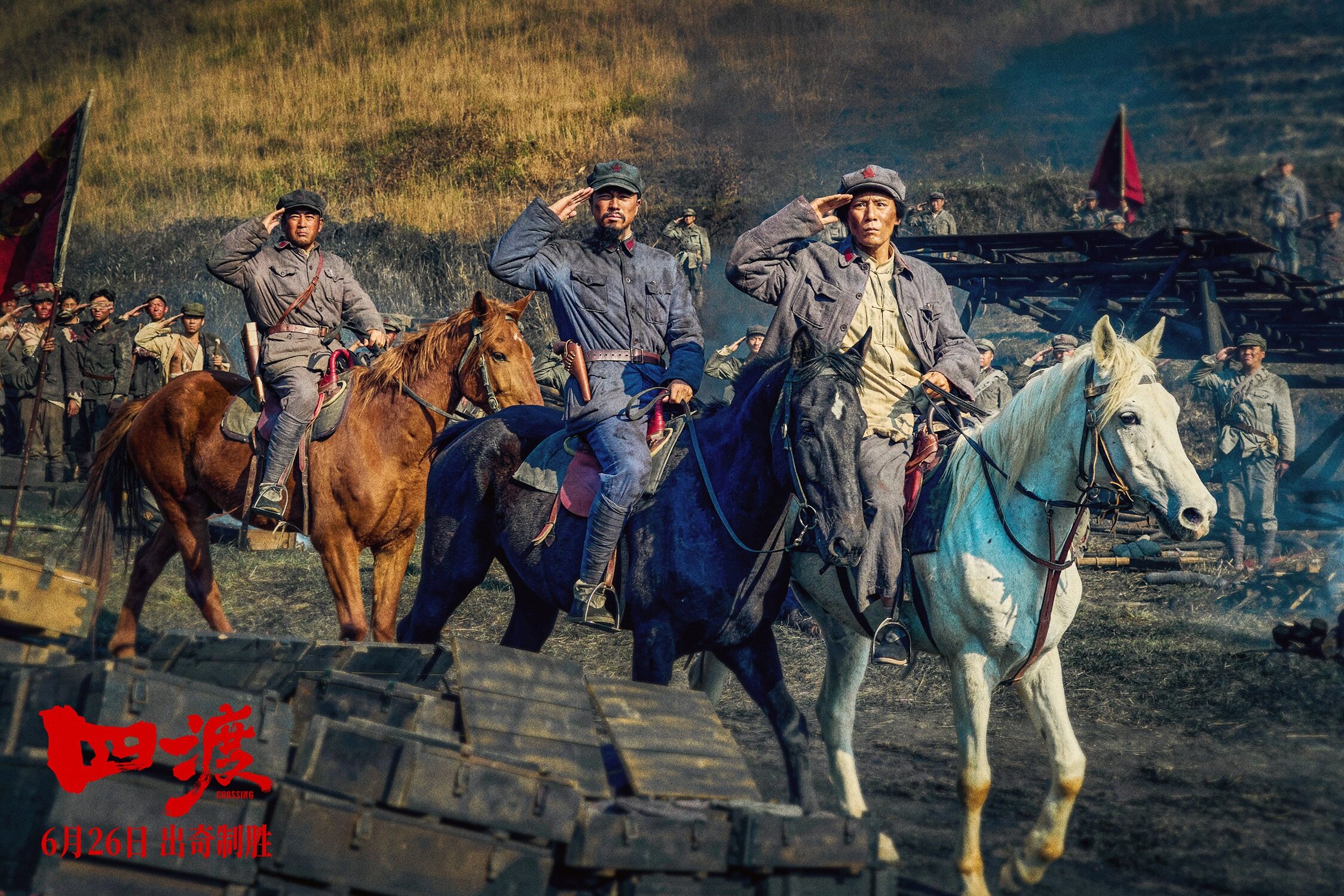
As a blockbuster epic to commemorate the 90th anniversary of the victory of the Red Army's Long March, the major revolutionary historical film "Four Crossing" takes the Battle of Four Crossing Chishui as its core and uses a new audio-visual language to restore the military miracle. Today, the film released a collectibles poster, a special film "Taking Loushanguan from the First Perspective" and new stills. The poster shows the four crossings of Chishui mentioned in the film in a hand-painted manner: important events in history such as the Battle of Tucheng, the Battle of Loushanguan, the crossing of the Chishui River four times, and the arrival of troops in Guiyang, to details such as opening warehouses at Erlangtan and releasing salt to win the support of the local people are all included in the film narrative one by one. In addition, the Zunyi Conference, the outsmarting of Zunyi City, and the Gouba Conference that brought Mao Zedong into the new "Three People" were also presented on the big screen in video form for the first time. These details not only enrich the plot narrative, but also make the whole history of the four crossings of Chishui more complete and vivid on the big screen, allowing the audience to understand the whole history of the four crossings of Chishui through watching the movie.
Among them, the Battle of Loushanguan is a key battle related to the fate of the Red Army, and is also the most important war scene in the whole film. It integrates large-scale attacks, cliff surprise attacks, intelligence games, and imminent decisions. It is not only a key point in the four crossings of Chishui River. It is also the first great victory achieved by the Red Army since the Long March. With live-action shooting, detailed detail and heart-to-heart performance, the film brings this battle of Xiongguan, which turned the war on the big screen. It not only restores the natural danger that took place in the "throat, the place where the key is locked" in a panoramic manner, but also more delicately shows the historical background and moving state of mind of Comrade Mao Zedong's creation of "Remembering Qin 'e·Loushanguan". The film will be released in theaters across the country on June 26. By then, the audience will more intuitively feel the heroic spirit of "Xiongguan Road is as true as iron, but now we are stepping forward from the beginning"!
The ultimate intention of restoration: real-life surveying and sophisticated weapons make the details stand the test
As a large-scale epic film that provides a panoramic view of the entire process of crossing Chishui,"Four Duties" was filmed in real life in Guizhou, covering 32 locations and 107 scenes. Taking the Battle of Loushanguan, the most important war drama in the film, as an example, the crew made a special trip to the Battle Site of Loushanguan for on-site surveys. In the words of director Xu Zhanxiong: "Good scripts are written with feet. Only by coming to Loushanguan and the place where the Red Army fought can we truly write and shoot movies that truly reflect them!"
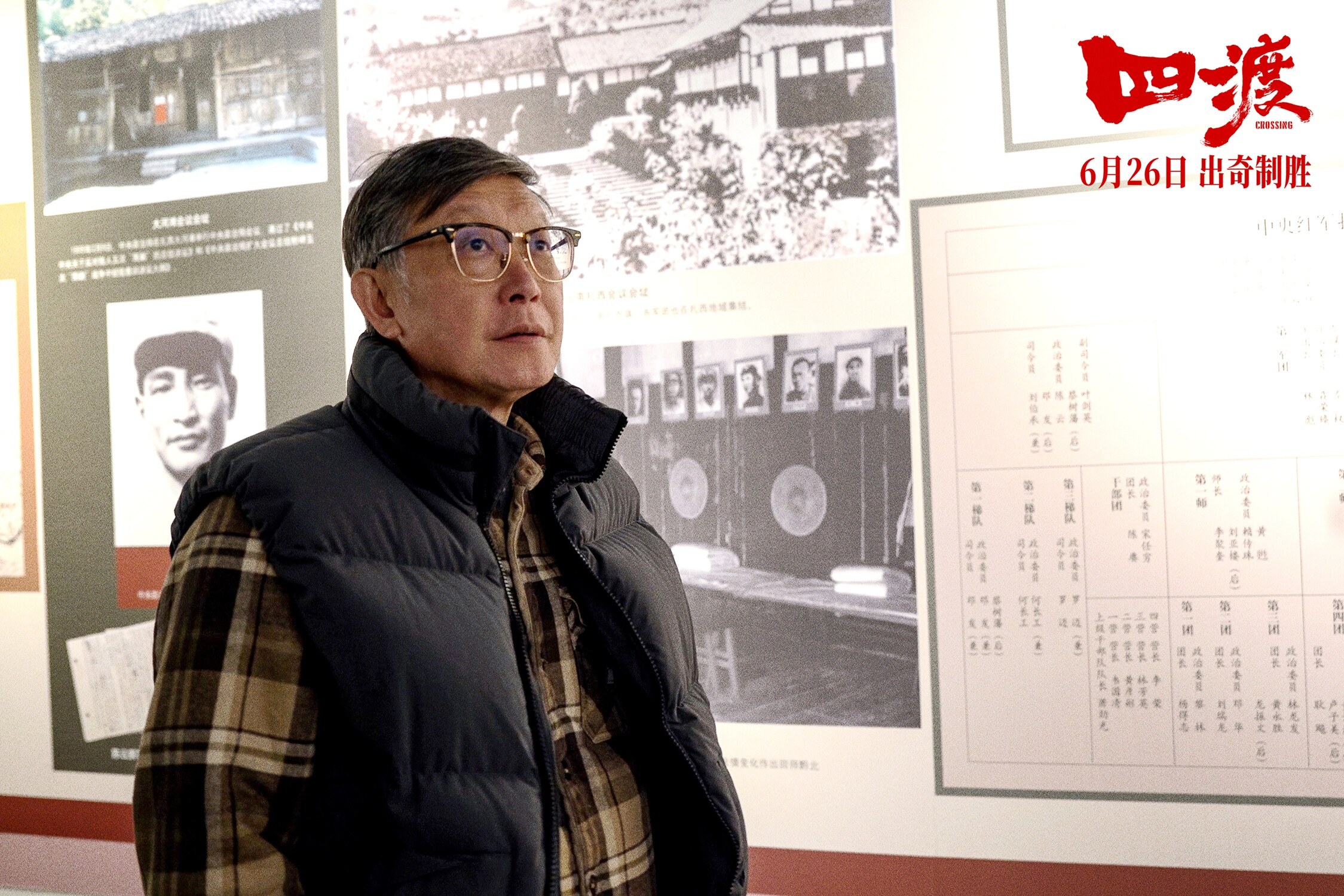
To this end, the main creative team drove 1800 kilometers from Zunyi City to Tongzi County, Renhuai City, Maotai Town, Xishui County, Chishui City... They traveled all over the towns and cities they passed through during the four crossings of Chishui. Along the way, they visited the Zunyi Conference Memorial Hall, Loushanguan Battle Site, Loushanguan Red Army Battle Site Exhibition Hall, Gouba Conference Site, Tucheng Four Crossing Chishui Memorial Hall Group, Qinggangpo Battle Site, Maotai Ferry Site, There are more than 30 memorial halls and important event sites related to the four crossings of Chishui at the former site of Erlangtan Ferry. Producer Liu Weiqiang said that he visited the Sidu Chishui Memorial Hall on the first stop in Guizhou."The commentators there were very professional and explained very clearly from Yidu to Sidu, because this process is very important to us., we must understand. I also asked them many questions on the spot. After that, I went to the 'Red Ribbon' in Guizhou, where I watched from beginning to end, watched how they fought and climbed mountains, and learned a lot."
With the support of the Propaganda Department of the Guizhou Provincial Party Committee, the crew also studied a large number of historical materials. The director and screenwriter referred to dozens of authoritative historical and military books such as "The Chronicle of Mao Zedong","Peng Dehuai's Self-Statement","History of the People's Liberation Army of China","Records of the Red Army's Long March: Original Records" and "Selected Historical Materials of the Red Army's Long March in Guizhou", collecting many details of the battle. In terms of weapons and equipment, under the guidance of military advisers, the crew worked hard to study it. The Maxqin heavy machine gun that appeared in the Battle of Loushanguan was a specially customized prop by the crew after conducting a large amount of historical research during the preparatory period. It was equipped with complete condensation pipes and cooling water cylinders. This is currently one of the few films and television works with historical and war-themed themes in China that strictly restored this historical configuration. The Maxine heavy machine gun adopts a water-cooled heat dissipation design, and the cooling water cylinder and condenser tube wrapped around the barrel are its iconic features. In actual shooting, the military consultant emphasized that the Maxine heavy machine gun should be placed in the side position so that crossfire can be formed, which is in line with the real situation of the battlefield in history.
Producer Liu Weiqiang has many experience in shooting large-scale military war films before, and he has very strict requirements for many details: "We have invited many military consultants this time, including weapons and many details of the war that year. We have constantly consulted and verified to ensure that the story is told strictly in accordance with history. I also believe that the audience will surely feel this intention."
Faith not afraid of hardships and dangers: Yu Shi Wang Tianchen braved the rain to climb cliffs, truly recreating the difficulties of the Red Army in those years.
In the historical Battle of Loushanguan, the Red Army did adopt the tactic of climbing steep mountain roads in order to gain the commanding heights. According to the war history data collected by the Party History Research Office of the Guizhou Provincial Party Committee, on the evening of February 25, 1935, the 13th Red Regiment divided into two groups and adopted a roundabout attack tactics to attack Jinshan, the commanding height of Loushanguan. This process is clearly recorded in the special topic "Battle of Loushanguan" published on the official website of the Organization Department of the Guizhou Provincial Party Committee: one of the Red 13th Regiment attacked from the front to contain the enemy, while the other took a detour from the flank mountain road to cooperate with the Red 10th Regiment and the Red 11th Regiment flanked by the two wings and captured Dianjinshan and Loushanguan Pass before dawn on February 26. Ouyang Qiansen's article "Xiongguan Road" published on the China Military Network also mentioned that the terrain of Loushanguan is "deep in the river valley and steep in the mountains, like cutting a knife and axe, piercing straight into the sky." The Red Army fought bloody battles in such a steep terrain and achieved this key victory. The inscription on the Loushanguan Red Army Battle Monument also clearly states: "The Battle of Loushanguan was a critical battle in the Battle of Zunyi and the first great victory since the Red Army's Long March." These authoritative historical materials and site records provide a solid historical basis for the film's cliff climbing scenes.
In addition, the Battle of Loushanguan was a reflection of Mao Zedong's resourcefulness and resourcefulness. The Red Army launched an attack on Loushanguan before the arrival of the two Central Armies urgently dispatched by Chiang Kai-shek. The opponent was the Guizhou Army led by Wang Jialie. At that time, the Guizhou Army was nicknamed the "double-gun soldiers" with a rifle in one hand and a cigarette in the other. Once they became addicted to addiction, their combat effectiveness would be greatly reduced. The screenwriter accurately captured this detail and portrayed the battle more realistically and vividly.
Producer Liu Weiqiang admitted that when he first climbed the cliff of Loushanguan, he was deeply shocked by the nearly vertical terrain. Yu Shi, who plays Red Army soldier Zhao Defa in the film, also followed the crew to participate in the survey. He later recalled: "The east side of Loushanguan is a cliff, and the west side is a high mountain. It is hard to imagine how the Red Army broke through in such a natural danger."
It was this on-site visit that made the crew decide to build a cliff 24 meters high, 30 meters wide, and nearly 90 degrees at the shooting site, just to truly restore the hardships of the Red Army's cliff climbing surprise attack. Yu Shi and Wang Tianchen, who play Red Army soldiers in the film, personally completed the rock climbing battle. Actor Wang Tianchen said after filming the scene that it was the scene that impressed him the most: "It was late at night and it was still raining. When we climbed up, we felt like we were climbing a real cliff and climbing. You would feel that your arm was not strong enough, and if you missed your foot during this process, the people around you would come to save you and help you regain your grip on the rock wall and stand firm again. This process is a very dangerous thing for everyone. When filming this scene, I was thinking that the Red Army were not professional rock climbers. In order to complete the task, they were able to enter Zunyi City again. That moment was really difficult, so it was very shocking."
In the scene of climbing the cliff on a rainy night, not only were the actors nervous, but the producer Liu Weiqiang also admitted that he was very worried at the time: "The cliff was high and steep. Many actors climbed on it with Wia hanging on it, and sometimes they would fall off. It's really dangerous. Action directors and martial arts are also very experienced, so I won't worry, but I will be nervous. Fortunately, they both performed well."
The mountains are like the sea and the setting sun is like blood: the crew waited for a month just to capture the true artistic conception in the poems of the great man
After the victory in the Battle of Loushanguan, Mao Zedong wrote "Remembering Qin 'e·Loushanguan". The first part of the poem describes the march before the Battle of Loushanguan, expressing the eagerness and determination of the Red Army to the front line; the second part expresses the satisfaction of winning the battle and the sadness and generosity. The whole poem records not only a rare victory, but also reflects the heroic and unyielding spirit of why the Red Army team was able to overcome difficulties step by step.
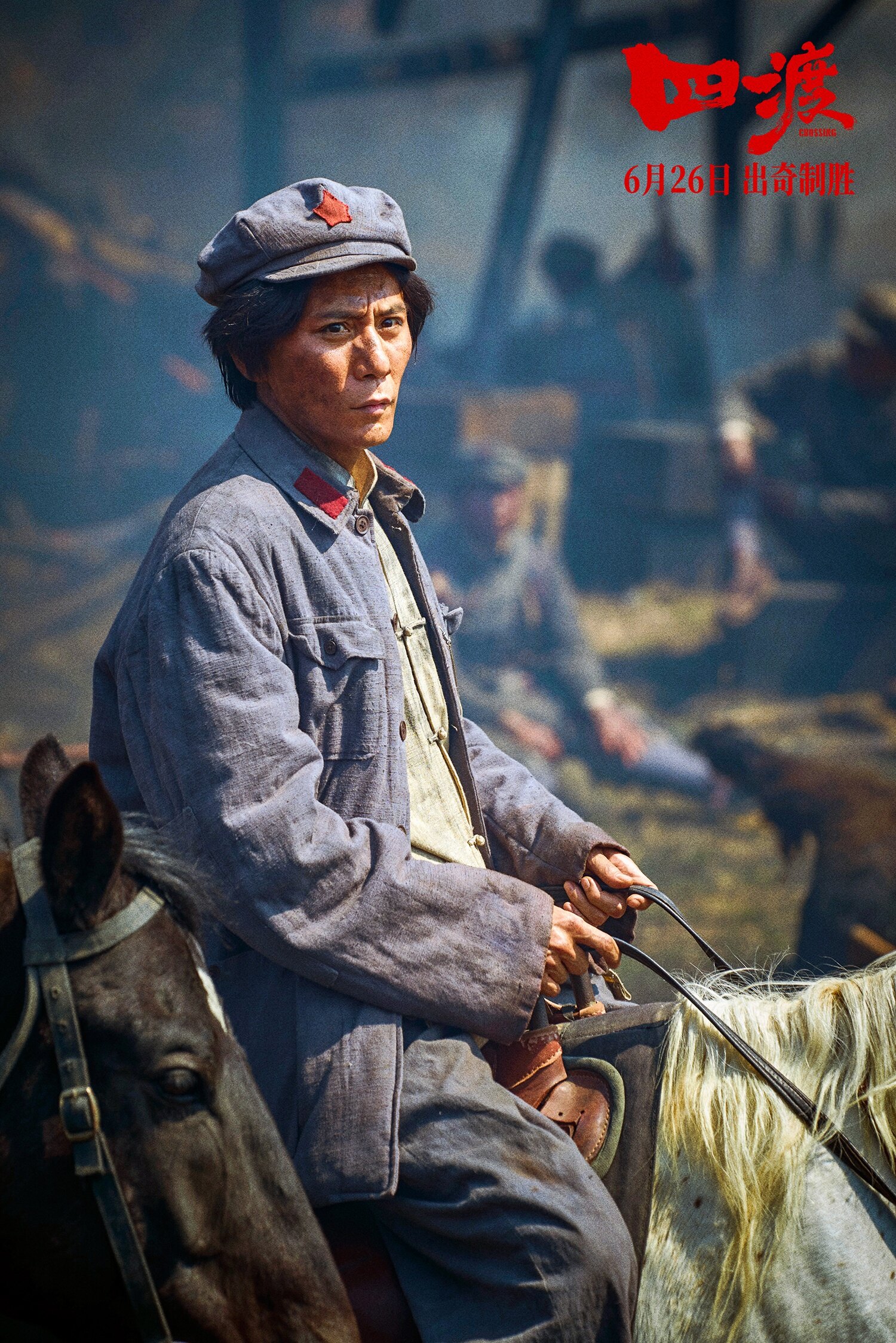
In order to make the artistic conception of this poem truly present on the screen, director Xu Zhanxiong made a bold decision-to shoot the scene of "the mountains are like the sea, and the setting sun is like blood" mentioned in Chairman Mao's poems. Xu Zhanxiong said with emotion: "First of all, I would like to thank Guizhou's mountains and rivers for giving us such a romantic landscape. That day, hundreds of people in our team waited until sunset, and then we worked together to finish the scene. When Mao Zedong, Zhou Enlai, and Zhu De rode horses to the top of the mountain and looked into the sunset, I thought it was very, very beautiful. When that scene really appears in front of you, you will know that all the effort and waiting are worth it."
 白羊座
白羊座 金牛座
金牛座 双子座
双子座 巨蟹座
巨蟹座 狮子座
狮子座 处女座
处女座 天秤座
天秤座 天蝎座
天蝎座 射手座
射手座 摩羯座
摩羯座 水瓶座
水瓶座 双鱼座
双鱼座